New Delhi has categorically rejected the proposal for a Pakistan-China Boundary Joint Commission, describing the move as legally baseless and unproductive for regional stability. The Indian government's response came shortly after Islamabad and Beijing announced plans to establish a joint mechanism to address boundary-related issues along their shared frontier.
A senior Ministry of External Affairs official stated that India has made its position clear through diplomatic channels. The official emphasized that any bilateral arrangement between Pakistan and China concerning the disputed territory of Kashmir does not hold legal validity under international law or existing India-China agreements. New Delhi has consistently maintained that the Simla Agreement of 1972 and subsequent understandings between India and China on boundary protocols must be respected, and no third-party mechanism can override these commitments.
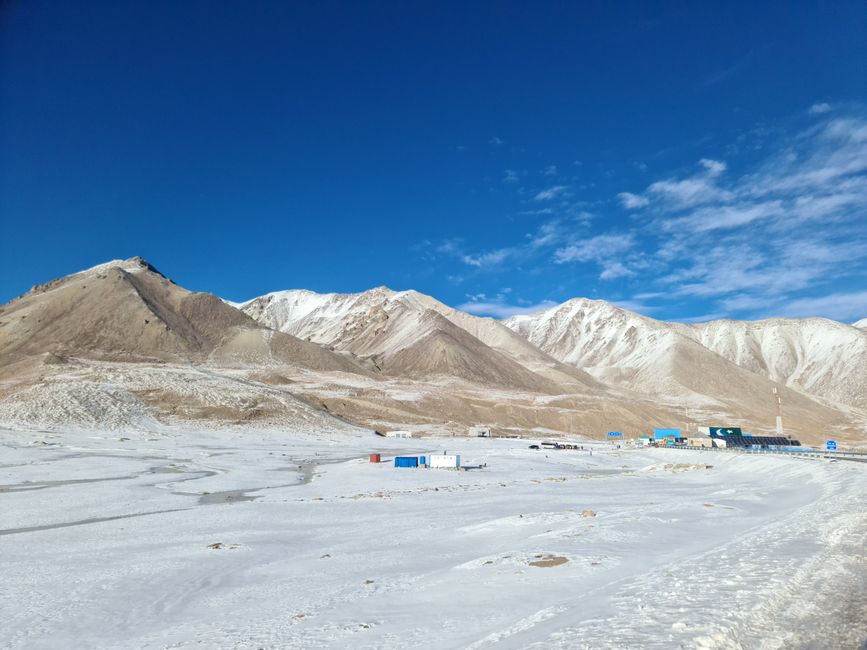
The proposed joint commission would operate along the line of actual control between Pakistani-administered Kashmir and Chinese-controlled Xinjiang. However, India views this area as an integral part of its sovereign territory, making any discussion or agreement by Pakistan and China on matters pertaining to the region entirely invalid from New Delhi's perspective.
Analysts say India's firm rejection underscores its longstanding policy of not allowing any triangulation of disputes involving Kashmir. The government is also reportedly coordinating closely with international partners to ensure the commission does not gain broader diplomatic traction. Several countries that have historically acknowledged India's position on Kashmir are expected to view the development with caution.
China, a close ally of Pakistan, has so far not issued a detailed public response to India's objections. Beijing has generally preferred quiet diplomacy on boundary matters and may seek to reassure New Delhi through bilateral engagements in the coming weeks. Meanwhile, New Delhi has directed its diplomatic missions to reiterate India's stance at relevant multilateral forums.
The issue also carries domestic political significance, as any perceived softness on territorial integrity tends to draw sharp criticism in Indian political discourse. The government is expected to maintain a resolute posture while pursuing dialogue through established diplomatic mechanisms.