New Delhi has categorically rejected Pakistan's proposal for establishing a joint Pakistan-China border commission, calling it theatric and devoid of any legal standing. The Ministry of External Affairs issued a clear statement denying the very existence of a delineated boundary between Pakistan and China, and described the proposed commission as existing without any legal basis whatsoever.
The rejection comes amid growing speculation that Pakistan had been pushing for a structured bilateral mechanism to manage and formalize the frontier areas along the Sino-Pakistani border, which traces back to agreements reached decades ago. However, India's response makes it abundantly clear that New Delhi does not recognize any sovereign boundary arrangement between Islamabad and Beijing that would warrant an official commission of this nature.
Diplomatic sources indicated that India's position is rooted in the view that the line separating Pakistan-administered territory from Chinese-controlled areas is not an internationally recognized or formally demarcated boundary. The region in question includes parts of what India claims as its own territory, particularly areas within the broader dispute over Jammu and Kashmir.
India has consistently maintained that any arrangement between Pakistan and China concerning these frontier zones cannot be considered legitimate because they involve land that India regards as illegally occupied. The external affairs ministry's statement was firm in tone and left no ambiguity about New Delhi's stance.
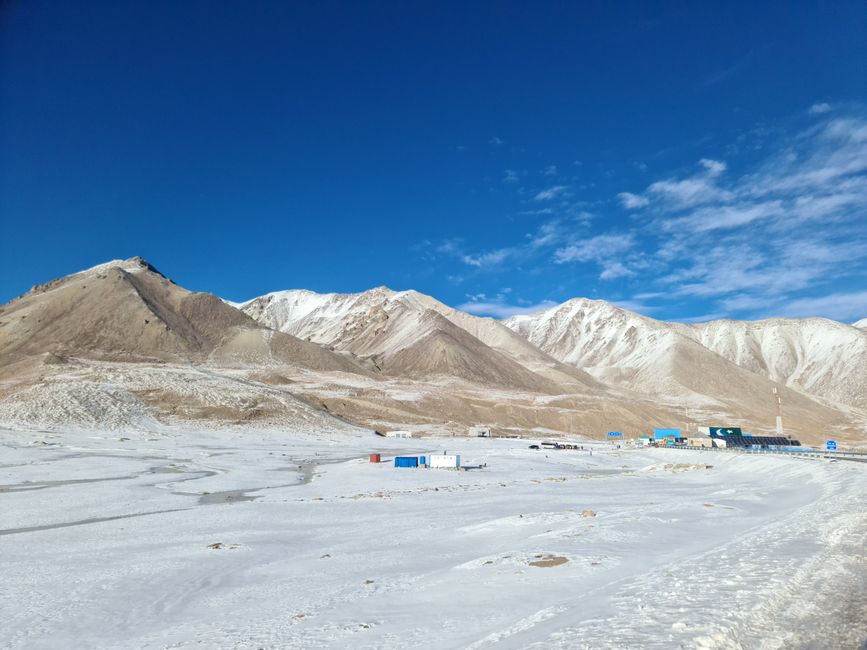
The Pakistan-China border in question stretches across several hundred kilometers through some of the most rugged and strategically sensitive terrain in the world, linking Gilgit-Baltistan with China's Xinjiang region. Infrastructure projects, including roads under the China-Pakistan Economic Corridor, have passed through these areas, drawing consistent objections from India.
Analysts say India's sharp rebuttal signals that New Delhi will not remain silent on efforts by Islamabad and Beijing to normalize or institutionalize their border management arrangements in disputed territories. The response is also seen as a broader signal of India's determination to challenge what it considers unilateral actions that could alter the status quo in regions claimed by India.