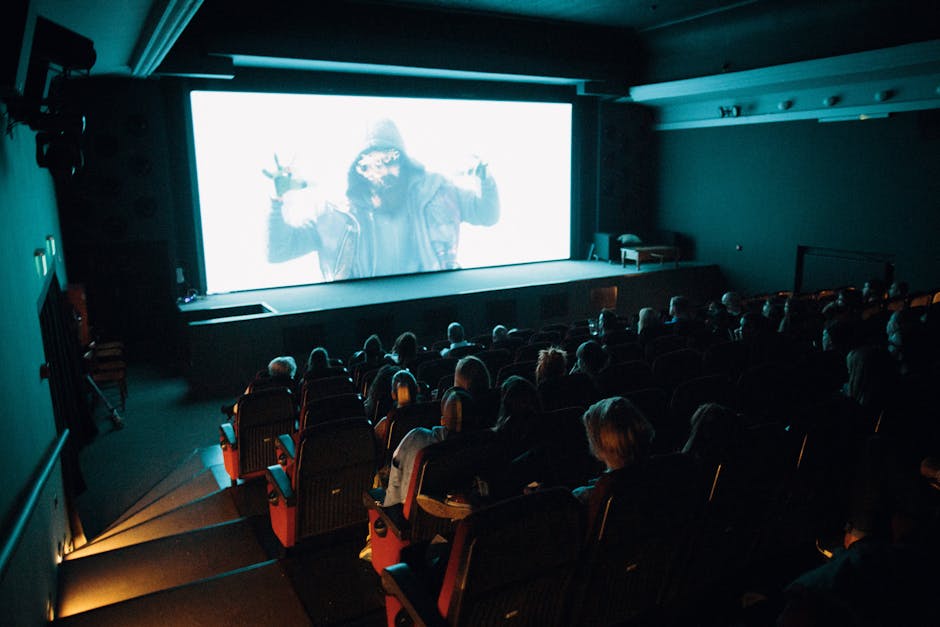
Film enthusiasts across India are discovering a new way to engage with movies before they even reach theatres — through immersive art exhibitions that transport visitors into the visual and emotional world of a film. These exhibitions, part of a growing trend in India's entertainment landscape, use sculptures, projected installations, thematic rooms, and interactive displays to recreate the atmosphere of a movie, giving audiences a tactile preview of the story they are about to witness.
One such exhibition recently drew considerable attention, featuring a striking display of a man holding an apple — a symbolic object that hints at themes of temptation, choice, or consequence woven into the narrative. Nearby, an installation captured the image of a bride with an unmistakably anxious expression, suggesting a storyline layered with personal drama, family expectations, or romantic conflict. Another corner of the space featured a solitary male figure, evoking loneliness and introspection, setting the emotional tone for the film ahead.
These installations are not mere promotional props. They are designed by artists and set designers who study screenplays, character arcs, and directorial vision to translate cinematic moments into physical form. Curators behind such exhibitions say the goal is to let audiences experience the mood and aesthetic of a film through art, creating a deeper connection before the first scene even plays on screen.
The trend reflects a broader shift in how Indian filmmakers and distributors approach marketing. Rather than relying solely on trailers and song releases, studios are investing in experiential activations that encourage social media sharing and word-of-mouth buzz. For cinephiles, these exhibitions offer a rare opportunity to slow down and engage with a film's visual language before the rush of the theatrical experience begins.
Critics note that while such exhibitions cannot replace the power of cinema, they serve as an important bridge between still art and moving pictures, reminding audiences that every frame of a film is itself a carefully composed piece of art.