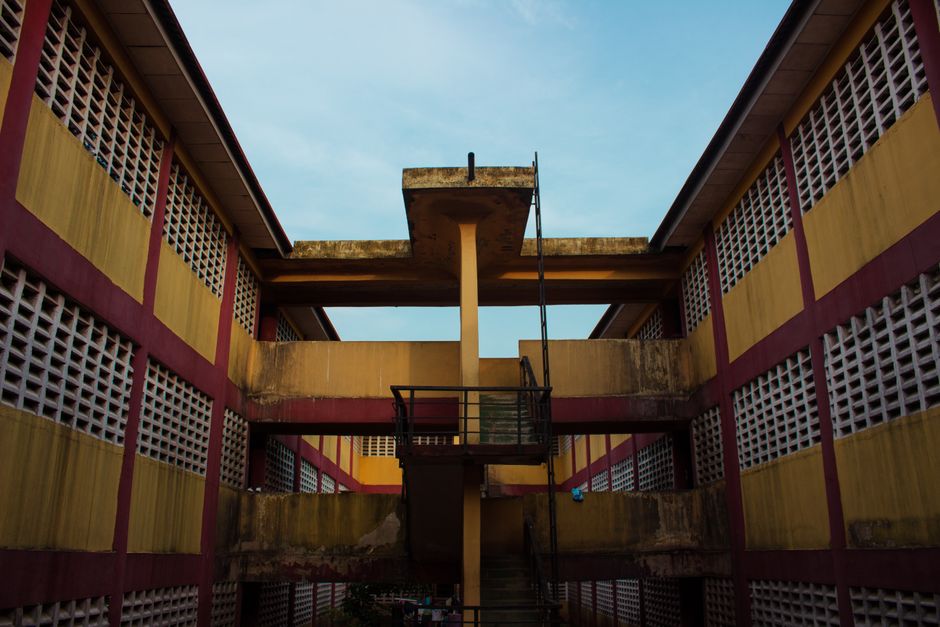
Students at one of IIT Bombay's residential hostels are reporting that the authorities have not yet followed through on a pledge to replace all ceiling fans after a fatal incident earlier this year. The college management had, back in July, assured residents that every fan across affected hostel blocks would be swapped out with new units, citing safety concerns after a student lost their life due to a malfunctioning fan.
According to students, nearly several months have passed since that assurance was made publicly, but no substantive action has been taken. Residents describe the same older models still in place, some producing audible rattling noises during operation — concerns that were originally flagged as warning signs before the tragedy occurred.
The student who died earlier this year was reportedly in their hostel room when a ceiling fan detached from its mount and fell. While exact details of the investigation remain limited, the incident sent shockwaves through the campus community and triggered immediate protests demanding stronger safety inspections across all hostel buildings.
University administrators had responded by forming a committee to examine the structural integrity of fan mounts and to issue replacement orders. However, students say procurement delays, bureaucratic red tape, and a lack of clear timelines have stymied progress. Some hostel wardens acknowledge the delays but cite logistical challenges in coordinating bulk replacements across multiple blocks without disrupting ongoing classes.
Student unions have called for transparency in the replacement schedule and demanded that any fan exhibiting wobble, unusual noise, or visible wear be treated as an emergency priority. Faculty members sympathetic to the students' cause have urged the administration to treat the matter as urgent rather than procedural.
This situation mirrors a recurring pattern across many Indian educational institutions, where infrastructure upkeep often lags behind promises made in the aftermath of accidents. Safety audits of hostel wiring, electrical fittings, and mounted equipment have long been considered priorities, yet execution rarely keeps pace with public assurances.