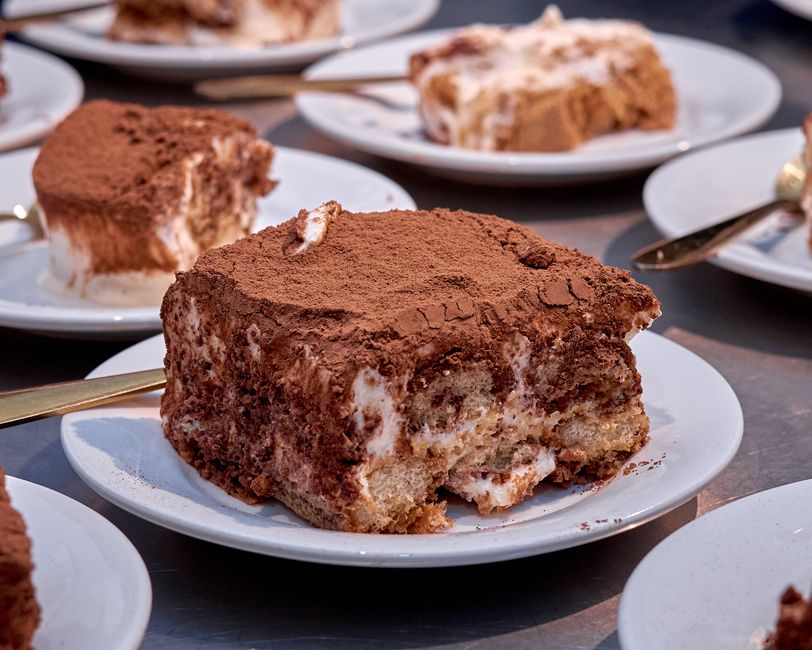
Tiramisu remains one of the most beloved desserts worldwide, yet achieving an authentic version that faithfully replicates the Italian original is surprisingly challenging for home cooks. The dessert, whose name literally translates to "pick me up" in Italian, relies on a deceptively simple trio of ingredients — coffee-soaked ladyfingers, velvety mascarpone cream, and a generous layer of unsweetened cocoa powder — to create something that tastes infinitely more complex than its ingredient list suggests.
The foundation of any great tiramisu starts with the cheese. Authentic recipes call for fresh, high-quality mascarpone, a rich Italian cream cheese with a fat content of at least 25 percent. Lower-quality substitutes or American cream cheese will produce a grainy, less luxurious texture. Many Italian home cooks insist on whipping the mascarpone gently by hand rather than with electric beaters, which helps preserve its delicate structure and prevents the cream from becoming dense.
The ladyfingers, known as savoiardi in Italian, require a careful touch during the dipping process. They must be soaked briefly in strong espresso — typically just a quick dip on each side — because over-soaking causes them to disintegrate, while under-soaking leaves dry, crunchy pockets. The coffee itself should be freshly brewed and allowed to cool slightly; some traditions even call for a splash of Marsala wine or Amaretto liqueur, though many modern recipes omit alcohol entirely.
Assembly follows a strict layering pattern: a base of dipped biscuits, a thick spread of mascarpone mixture, followed by a second biscuit layer and another smooth mascarpone topping. The final dusting of high-quality unsweetened cocoa powder, applied generously with a fine sieve, provides the signature bitter contrast that balances the sweetness throughout.
Crucially, tiramisu must rest in the refrigerator for at least six hours, preferably overnight, before serving. This resting period allows the flavors to meld and the structural layers to set properly, transforming a loose assembly of ingredients into a cohesive, sliceable dessert.