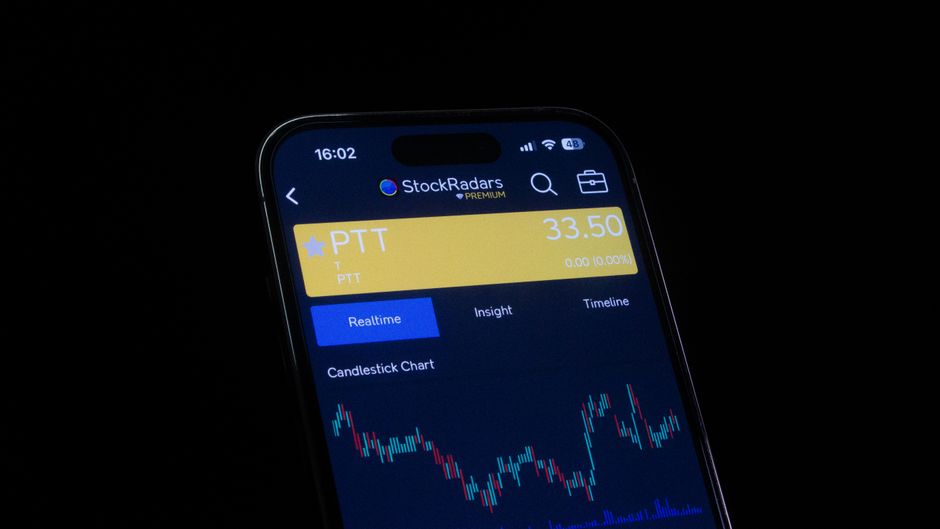
Starting an investment journey for the first time can feel overwhelming. New investors are suddenly confronted with a maze of options — stocks, mutual funds, exchange-traded funds, trading platforms, brokerage charges, account types, and a host of other financial products. Amid all this complexity, one of the most important decisions a beginner must make is choosing the right broker to open their portfolio with. This choice, often overlooked, can significantly impact the overall investing experience and outcomes.
A broker acts as an intermediary between an investor and the stock exchanges, enabling them to buy and sell securities. For first-time investors, the sheer number of available options makes this decision particularly challenging. Some brokers offer zero-commission trades on equity investments, while others provide free mutual fund purchases. The landscape varies widely, and understanding the differences is essential.
Key factors to consider include the fee structure, ease of use of the platform, customer support quality, research tools and educational resources, and the range of investment products offered. Many discount brokers have emerged in recent years, offering low-cost or even zero brokerage on equity delivery trades, which has made investing more accessible to retail participants. However, lower costs should not be the only criterion; reliability, security, and transparency matter equally.
Regulatory oversight also plays a crucial role. Investors should ensure their chosen broker is registered with the Securities and Exchange Board of India (SEBI) and is a member of recognized stock exchanges like the National Stock Exchange or the Bombay Stock Exchange. Deposits with brokers are safeguarded under the Investor Protection and Education Fund, providing an added layer of security.
Financial experts advise beginners to start by clarifying their investment goals, risk appetite, and the amount they plan to invest regularly. Based on these parameters, they can shortlist brokers that align with their needs. Demo accounts and virtual trading platforms offered by many brokers allow new investors to familiarize themselves with the interface before committing real money.
The growing number of online-first fintech platforms has democratized investing in India, making it possible for anyone with a bank account and a smartphone to begin investing with as little as a few hundred rupees. This shift has encouraged millions of first-time investors to enter the capital markets, but it has also made the task of choosing the right partner more complicated than ever before.