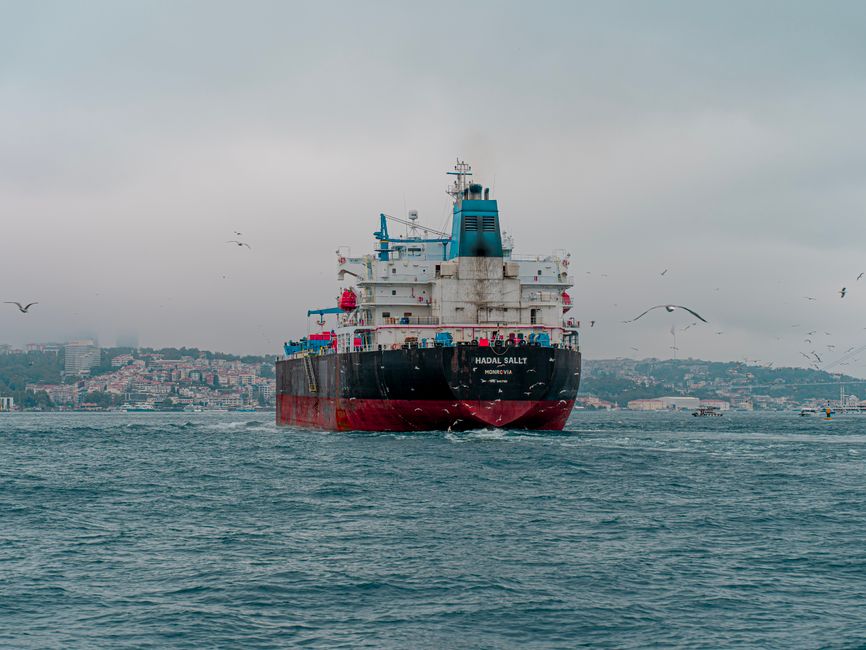
Houthi militants in Yemen have seized control of the country's section of the Bab al-Mandab Strait, marking a significant escalation in the ongoing civil war and further threatening one of the world's most critical shipping corridors. Government sources confirmed the capture following a week-long military offensive that left hundreds of people dead on both sides of the conflict.
The Bab al-Mandab Strait, whose name translates roughly to "Gate of Tears," is the narrow waterway connecting the Red Sea to the Gulf of Aden. It represents the southern entrance to the Suez Canal route, through which an estimated ten percent of global seaborne trade passes each year. Any disruption to shipping through these waters sends ripples through international energy markets and supply chains.
Analysts say the Houthi takeover of the Yemeni shoreline gives the Iran-aligned militia near-total dominance over maritime traffic in the region. The group has previously targeted commercial vessels in the Red Sea, claiming operations in solidarity with Palestinians in Gaza, but control of the strait itself provides a far more permanent strategic advantage.
The offensive comes at a time when Yemen remains torn apart by war between the internationally recognised government, backed by a Saudi-led coalition, and Houthi forces who seized the capital Sanaa in 2014. Peace negotiations have stalled repeatedly over the years, and each new ground gain by either side complicates prospects for a lasting settlement.
International shipping companies have already rerouted several vessels away from the Red Sea due to security concerns, adding weeks to delivery times and driving up insurance costs. The United Nations has warned that humanitarian conditions in Yemen continue to deteriorate as fighting intensifies around key coastal and riverine positions.
Regional powers, including Saudi Arabia and the United Arab Emirates, are monitoring the development closely. Military analysts caution that enhanced Houthi control of the strait could embolden the group to broaden its attacks on maritime traffic, drawing the region closer to a wider conflict involving multiple state and non-state actors.


