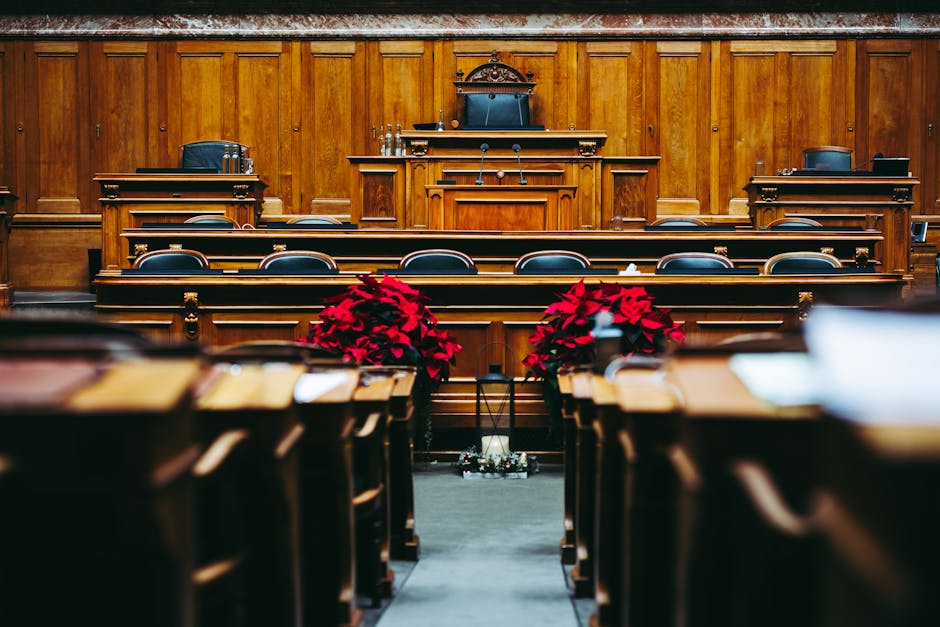
A division bench of the Delhi High Court on Thursday heard the anticipatory bail application filed by YouTuber Ajeet Bharti, who is facing proceedings under the Scheduled Castes and the Scheduled Tribes (Prevention of Atrocities) Act, 1989, commonly referred to as the SC/ST Act.
The application was opposed by the Delhi Police, which argued that the alleged offences were serious and carried substantial punitive consequences, and by the private complainant, Chandrashekhar Azad, who contended that the remarks made by Bharti warranted criminal prosecution and could not be dismissed through pre-arrest bail.
During the hearing, Ajeet Bharti's counsel advanced several legal arguments in support of the bail plea. The lawyer argued that a mere reference to caste, by itself, does not automatically constitute an offence under the SC/ST Act. According to the counsel, the statute requires a demonstrated intention to insult or humiliate a person specifically on the grounds of caste. Without evidence of such intent, the counsel submitted, the legal threshold for an offence under the Act is not met.
Furthermore, the defence counsel emphasized that the impugned remarks must be understood within the broader context of a social media exchange in which they were made. The arguments suggested that taking isolated phrases out of their conversational context would lead to a distorted interpretation of the YouTuber's words. The counsel highlighted that online interactions, particularly on video platforms, often involve dynamic back-and-forth dialogue, and the statements in question should be evaluated holistically rather than in isolation.
The SC/ST Act, enacted by Parliament in 1989, is a special legislation designed to prevent atrocities and offences against members of Scheduled Castes and Scheduled Tribes. Section 3(1)(r) of the Act specifically penalises acts intended to humiliation and insult or deny cultural, social, economic or political rights of persons belonging to these communities. The provision has been the subject of considerable judicial scrutiny over the years, with higher courts repeatedly emphasising that the intent element is critical and that not every casual reference to caste can attract liability under the statute.
In previous rulings, the Supreme Court of India and various High Courts have cautioned against the mechanical and uncritical registration of cases under the SC/ST Act without a preliminary assessment of whether the essential ingredients of the offence are made out. In the landmark judgment delivered in the case of Rajeev Ranjan Singh v. State of Bihar in 2016, the Apex Court directed that anticipatory bail applications in SC/ST Act matters should be decided promptly and that pre-arrest bail should not be routinely refused on the basis of the gravity of the allegation alone.
Legal experts note that the present case raises important questions about the boundaries between protected speech and conduct punishable under the SC/ST Act, particularly in the age of digital media where content creators frequently engage in debates and discussions on social media platforms. The outcome of the High Court proceedings could have implications for how similar complaints against content creators and public figures are handled across the country.
The court also heard submissions on whether the YouTuber would face prejudice or harassment if forced to undergo the regular arrest and bail process versus being granted anticipatory protection. Both sides were given opportunities to present their positions, and the court is expected to deliver its order at a future date.
The case has drawn attention from civil society groups and digital rights advocates, who argue that the SC/ST Act should be applied judiciously and not weaponised against individuals making contextual or non-malicious statements in online discussions. Conversely, supporters of the complainant maintain that any derogatory comment referencing caste deserves strict legal consequences regardless of context or intent claims.


