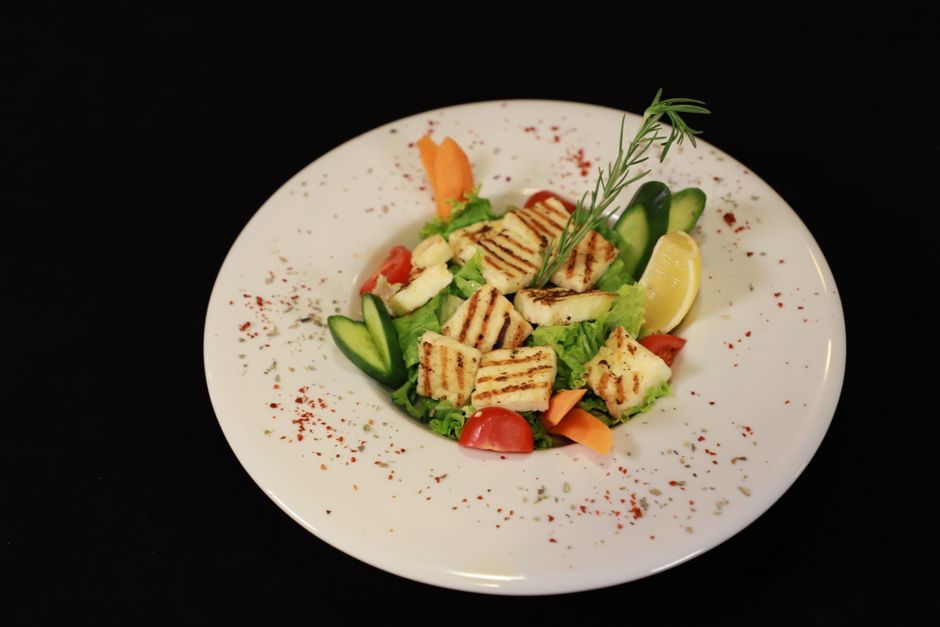
The global halloumi cheese market is on track for an extraordinary expansion, with projections showing it will more than double in value over the next eight years. According to industry forecasts, the market — valued at approximately $669 million in 2026 — is expected to reach $1.43 billion by 2034, growing at a compound annual rate of 10 per cent. That pace of growth significantly outstrips many other dairy segments and signals a dramatic shift in how the world consumes this iconic Mediterranean cheese.
Halloumi, traditionally produced in Cyprus from a mixture of goat and sheep milk, has enjoyed a remarkable journey from a regional specialty to a global pantry staple. The cheese is renowned for its high melting point, which allows it to be grilled, pan-fried, or even barbecued without losing its shape — a quality that has made it a favourite among home cooks and chefs alike. Its firm, springy texture and salty flavour profile have also made it increasingly popular in vegetarian and flexitarian diets, where it serves as a meat alternative with a satisfying chew.
Analysts point to several factors behind the accelerating demand. The rise of Mediterranean and Middle Eastern cuisines in Western markets has been a major driver, as restaurants and food service operators embrace halloumi on menus ranging from upscale eateries to casual fast-casual chains. The cheese has also found a natural home in the growing plant-based and health-conscious consumer segment, thanks to its relatively high protein content compared to many processed meat substitutes.
Production has expanded well beyond Cyprus. Countries including Australia, New Zealand, the United States, and several European nations have established halloumi manufacturing operations to meet demand that local Cypriot producers alone cannot satisfy. Indian dairies and food companies have also begun exploring halloumi-style cheeses, leveraging domestic milk supplies to cater to urban consumers increasingly drawn to international food trends.
The growth trajectory also reflects broader changes in global food culture. Social media, particularly platforms like Instagram and TikTok, have played a role in popularising halloumi through visually appealing food content — grilled cheese skewers, breakfast boards, and salad toppings featuring the golden-brown cheese have become frequent staples of food influencer posts. E-commerce and specialty grocery expansion have similarly made the product more accessible to consumers who previously had limited exposure to it.
Despite the optimistic outlook, the industry faces challenges. Supply constraints on quality milk, particularly sheep and goat milk used in traditional halloumi, remain a concern as demand escalates. Climate variability in traditional production regions has also raised questions about long-term sustainability of milk supplies. Additionally, the rise of vegan halloumi alternatives made from almonds, tofu, or coconut oil introduces competitive pressure on traditional dairy producers seeking to maintain market share.
For India, the implications are noteworthy. As urban palates broaden and premium dairy products find a foothold in metropolitan markets, halloumi represents one of several international cheese varieties gaining ground. With a strong domestic dairy ecosystem and a young population eager to experiment with global cuisines, India could emerge as a meaningful demand centre for halloumi in the coming decade — while also presenting opportunities for local manufacturers to produce the cheese at competitive prices.