Residents of multiple housing societies in Gurugram are gearing up to lodge a formal grievance before the Haryana Electricity Regulatory Commission (HERC), raising concerns over opaque electricity billing mechanisms and controversial retrospective tariff adjustments that have significantly increased their monthly power costs.
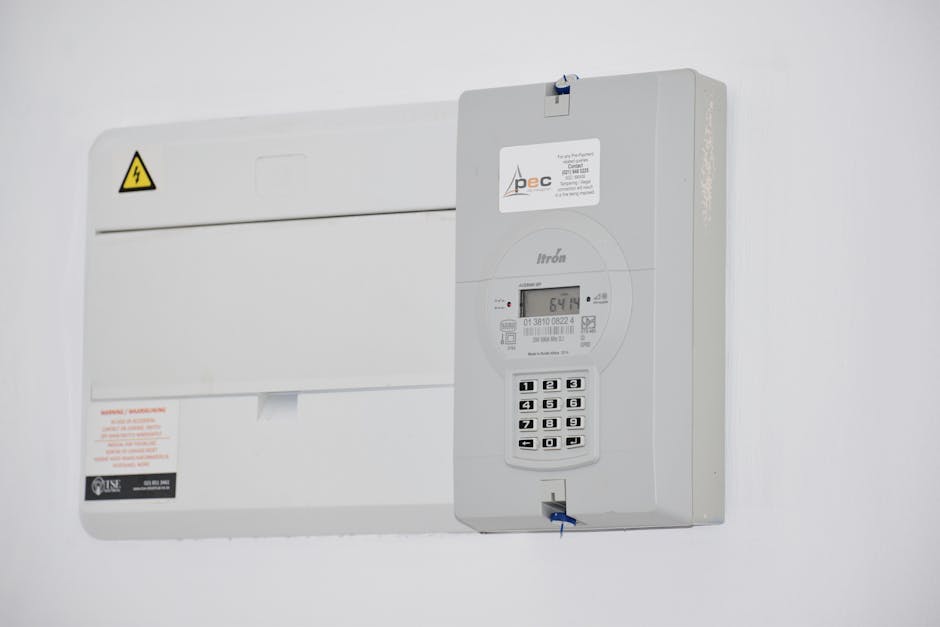
Under the existing Single Point Supply (SPS) framework, the power distribution utility supplies bulk electricity to an entire housing complex through a single primary meter, and bills the society as a unit rather than issuing individual consumer meters. This arrangement has come under scrutiny as residents allege that the collective billing model lacks transparency and has been exploited to impose deferred charges dating back several years.
The core of the residents' complaint centres on retrospective tariff revisions — adjustments that recalibrate electricity rates for past consumption periods, often resulting in unexpectedly large demand charges. Housing societies say they were not adequately informed about these recalculations when they were first levied, and many have received demand notices covering periods extending two to three years into the past.
Several resident welfare associations in prime Gurugram localities including Sector 54, Sector 56, DLF Phase IV, and Aravali Hills have reportedly been in informal discussions about pooling resources to hire legal counsel for the HERC petition. Sources close to the matter indicate that the commission is expected to hear the representation within the next six to eight weeks, depending on scheduling.
Power regulators across India have faced increasing pressure from residential consumer groups over SPS billing practices. Critics argue that the system places disproportionate burden on housing society committees, who must manage the allocation of costs among hundreds of individual flat owners without access to detailed consumption data. They also contend that retrospective billing violates principles of natural justice, as consumers were not given prior notice of the tariff changes.
Utility officials, however, maintain that SPS is a cost-effective model for supplying power to large residential complexes and that tariff recalibrations are conducted in accordance with regulatory directives. They have stated that any billing discrepancies will be examined on a case-by-case basis once the matter reaches the commission.
The outcome of this petition could set a precedent for thousands of housing societies across Haryana, many of which operate under the same Single Point Supply arrangement and may face similar retrospective charges in the coming months.


