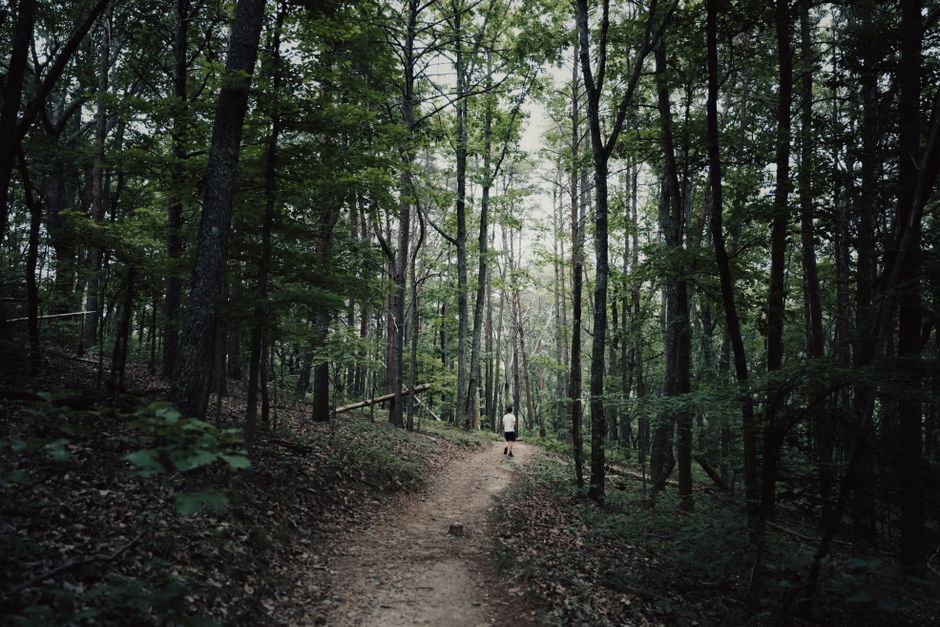
A woman who walked more than 2,000 miles through the wilderness wearing gingham dresses and carrying almost no gear is finally receiving wide recognition in her home state of Ohio.
Emma Gatewood, known to hikers as "Grandma Gatewood," became the first woman to complete a solo thru-hike of the Appalachian Trail in 1955 when she was 67 years old. Her remarkable journey began on May 14 that year in Georgia and ended just months later in Maine. She completed the entire 2,055-mile route alone, using what today would be called an ultralight backpacking philosophy long before the term existed.
Gatewood grew up in a rural Ohio community and faced considerable hardship throughout her early life. She survived an abusive marriage and went on to raise 11 children, mostly as a single parent, working multiple jobs to support her family. Despite limited education and virtually no hiking experience, she decided in her mid-60s that she wanted to walk the Appalachian Trail.
She packed only a change of clothes, a small tarp for shelter, and a book of poetry. She slept in barns, asked locals for meals, and relied heavily on the kindness of strangers along the way. She often chose to hitchhike between sections rather than endure certain rough terrain, showing pragmatism over pure endurance.
Her story remained largely forgotten for decades after her hike. Today, trail organizations, historians, and Ohio state legislators are pushing for greater acknowledgment of her achievements. The Appalachian Trail Conservancy has recognized her as a pivotal figure in the history of the trail, noting that her lightweight approach influenced generations of hikers who followed.
Her journey also challenged prevailing assumptions about what older women could accomplish in the outdoors at a time when hiking was dominated by younger men with heavy, expensive packs.
Community groups in Ohio have organized events, placed historical markers, and advocated for official state recognition of Gatewood's accomplishment. The efforts reflect a broader national conversation about ensuring that overlooked figures in American history receive their rightful place in the historical record.


