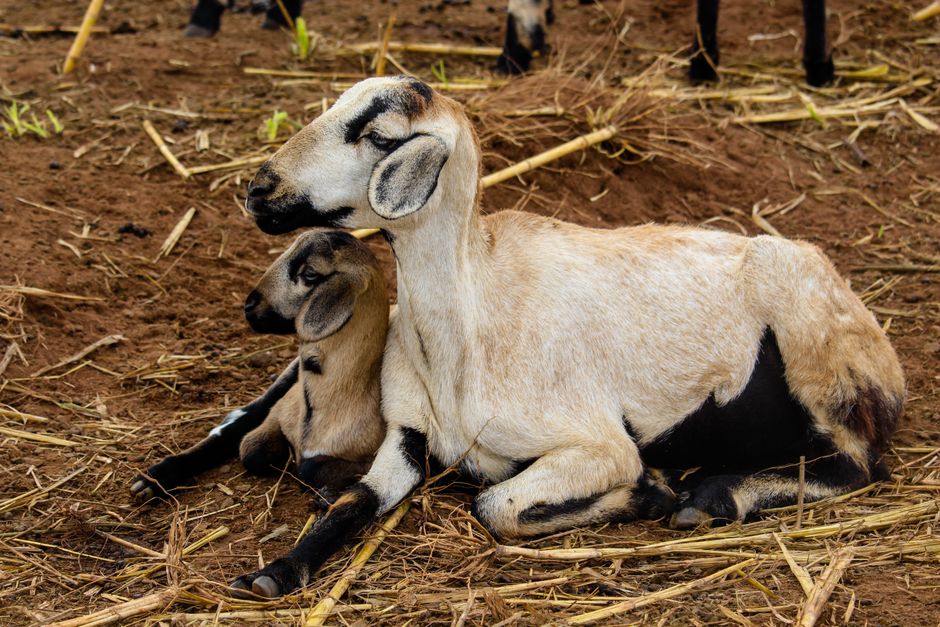
Farmers in Gujarat's Jamnagar district are increasingly turning to goat rearing as a secondary source of income, thanks to a state government livestock development scheme designed to supplement traditional agricultural earnings. The programme, administered through the state's Animal Husbandry Department, offers eligible beneficiaries financial assistance in the form of subsidised goats along with structured veterinary support, including vaccinations, health check-ups, and awareness campaigns on modern animal husbandry practices.
Under the scheme, selected farmers receive a specified number of goats at a heavily subsidised rate, often covered entirely through government grants in cases where the beneficiary belongs to a economically weaker section. The animals are sourced from registered government farms or certified private breeders who meet quality standards set by the department. Each recipient is expected to commit to a maintenance period during which the goats are monitored for health and productivity, after which the family gains full ownership of the offspring and adult stock.
Veterinary officers attached to local animal husbandry centres conduct regular visits to farmer households, providing deworming treatments, hoof care guidance, and nutritional advice tailored to the regional climate and available feed resources. Farmers are also taught how to construct low-cost shelters using locally available materials, reducing the initial capital outlay required to begin goat farming.
The initiative has gained traction among small and marginal farmers who face increasing uncertainty due to erratic monsoon patterns, rising input costs for crops, and fluctuating market prices for agricultural produce. Goat rearing requires relatively less land and water compared to crop cultivation, making it a viable option for farmers with fragmented holdings or those living in semi-arid zones where agriculture alone cannot sustain a household.
District-level officials report that over several hundred families in Jamnagar have enrolled in the programme over the past two years, with applications continuing to rise as word spreads through farmer cooperatives and village panchayat meetings. The government has indicated that expansion to neighbouring districts may follow if the current phase demonstrates measurable improvements in household income levels.