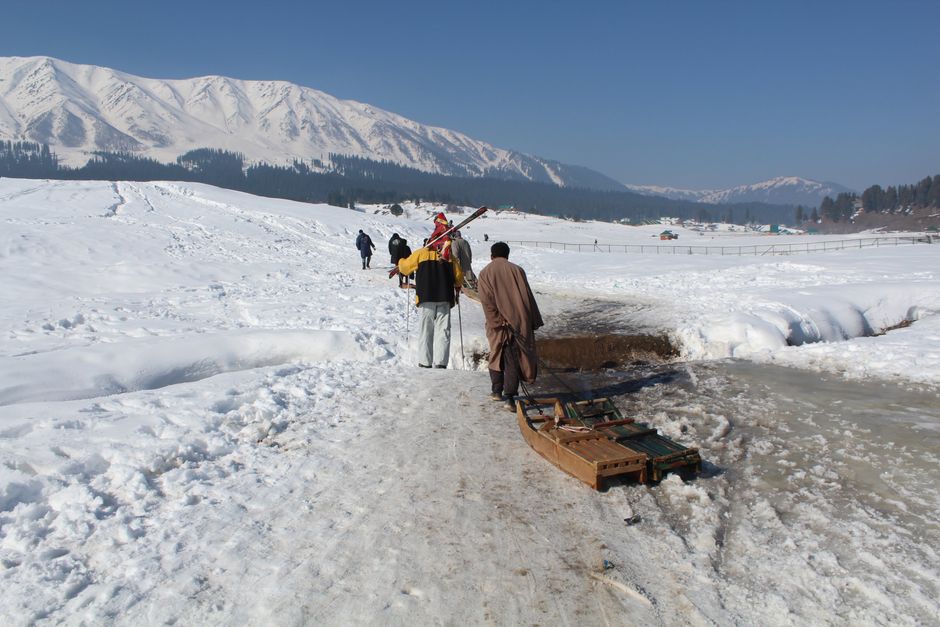
A legal professional and his family found themselves in a distressing situation after booking accommodation through a popular travel portal for a winter holiday to Kashmir's Srinagar and Gulmarg regions. Upon arrival, they discovered that the hotels they had paid for simply did not exist, leaving them without shelter in sub-zero temperatures of around -4°C.
The complainant, who is a practising advocate, had made the bookings through a well-known online travel booking website, expecting standard accommodations at the destinations. However, when the family arrived at their booked properties, they were informed that the establishments were either non-existent or never actually operational — essentially a fabricated listing designed to collect payments from unsuspecting tourists.
Left with no alternative but to navigate the frozen landscape without lodging, the family was forced to find temporary arrangements while dealing with the shock of a wasted trip and the discomfort of being exposed to harsh winter conditions in a mountainous region where temperatures can drop sharply, especially at night.
Taking legal recourse, the advocate filed a complaint with the consumer forum, citing deficiency in service and unfair trade practices by the travel portal. The consumer court took note of the genuine hardship caused to the family, particularly the exposure to severe cold, and awarded compensation of Rs 48,000 along with directions for redressal.
This case has reignited concerns about the reliability of online travel booking platforms in India, where customers frequently encounter ghost listings, fraudulent hotel entries, and poor grievance redressal mechanisms. Consumer advocates have long warned travellers to verify accommodations independently before making payments through third-party portals, especially for tourist destinations in remote or hilly areas where alternatives are limited.