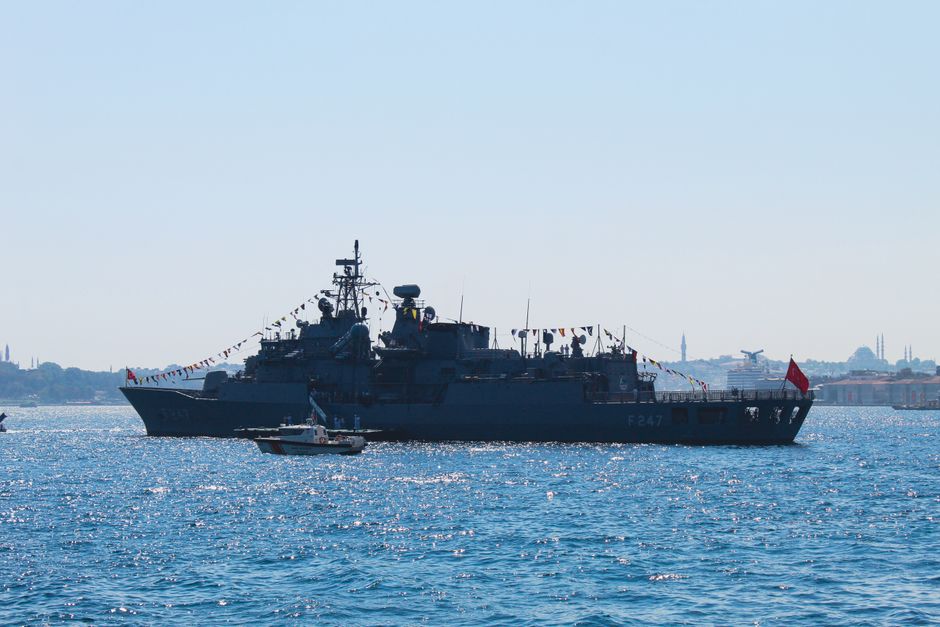
Iranian authorities confirmed that several loud explosions were heard near Qeshm Island, located at the northern entrance of the Strait of Hormuz, one of the most heavily trafficked maritime chokepoints in the world. While details remain limited and officials have not yet disclosed the exact nature or cause of the blasts, the incident comes amid a sharp escalation in regional hostilities over recent weeks.
Qeshm Island, the largest island in the Persian Gulf, sits directly adjacent to the Strait of Hormuz, through which roughly a fifth of global oil consumption passes daily. The island hosts significant Iranian military installations and has long been a focal point for naval activity in the region.
In recent weeks, Iran has increasingly targeted oil tankers navigating the strategic waterway, with multiple incidents of suspected sabotage, mine-laying, and direct attacks on commercial vessels. Iranian-backed militias have also carried out strikes against US bases stationed across Gulf Cooperation Council (GCC) countries, including targets in Iraq, Syria, Jordan, and Kuwait.
Military analysts say the proximity of Sunday's explosions to Qeshm Island suggests the possibility of live-fire exercises, but the timing — during a period of heightened regional alarm — has left many observers uncertain whether the blasts represent routine training or something more consequential.
Iranian state media has not yet released an official statement clarifying the source of the explosions. Regional intelligence sources told Reuters that Iranian Revolutionary Guard Corps naval forces had been active in the area in the preceding days, but no confirmation of drills or weapons testing has been independently verified.
The latest incident adds to growing fears that the conflict could broaden into a wider regional war. The United States has reinforced its Fifth Fleet in Bahrain and urged allies to prepare for further instability. European energy importers have warned that any prolonged disruption to the Strait of Hormuz would send shockwaves through global oil markets.
Iran has framed its recent actions as defensive measures aimed at deterring what it calls American aggression, while Washington and its Gulf allies describe them as acts of terrorism against civilian shipping that threaten international law and freedom of navigation.