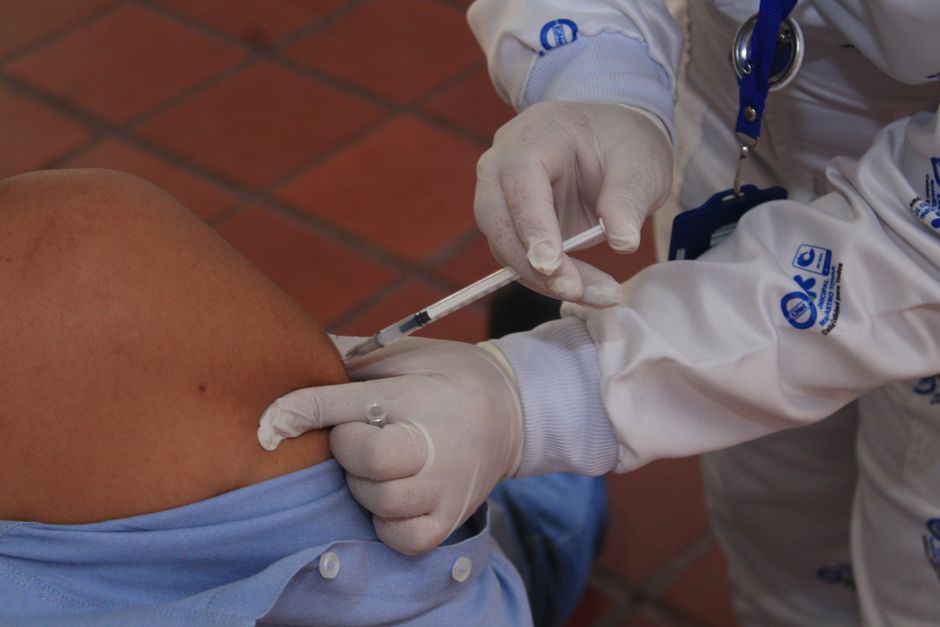
The Democratic Republic of Congo has initiated a focused Ebola vaccination campaign in the city of Bunia, targeting health care workers and other frontline responders who remain at the greatest risk of infection as the country battles its largest-ever outbreak of the deadly virus.
Major-General Gaby Kasongo Mulumba, serving as acting provincial governor, confirmed that the drive is underway and emphasized the critical role of medical personnel in containing the spread. "Health workers here are particularly exposed and deeply involved in the response," he said, underscoring the dangerous conditions under which they operate in a region plagued by both disease and armed conflict.
An estimated 50,000 health and frontline workers across the affected areas will receive the Ervebo vaccine, a single-dose Ebola treatment developed by Johnson & Johnson that has proven highly effective in previous outbreaks. The vaccine targets the Zaire ebolavirus strain, which is responsible for the current crisis.
The death toll from the outbreak, which began in 2018 in the volatile eastern provinces of North Kivu and Ituri, is now approaching 3,700 — making it the second-deadliest Ebola outbreak on record. Bunia, the capital of Ituri Province, has been one of the hardest-hit urban centers, with health facilities overwhelmed and community resistance sometimes hindering containment efforts.
Public health officials say the vaccination of frontline workers is a strategic priority, as infections among medical staff can severely disrupt care delivery and accelerate transmission within communities. The initiative comes amid ongoing challenges posed by insecurity in the region, where armed groups have occasionally attacked health workers and vaccination teams.
International health agencies, including the World Health Organization, have continued to support the campaign with logistical aid, funding, and technical expertise. Officials stress that ring vaccination — identifying and vaccinating contacts of confirmed cases — combined with broad protection of health workers, remains the best strategy to bring the outbreak under control.