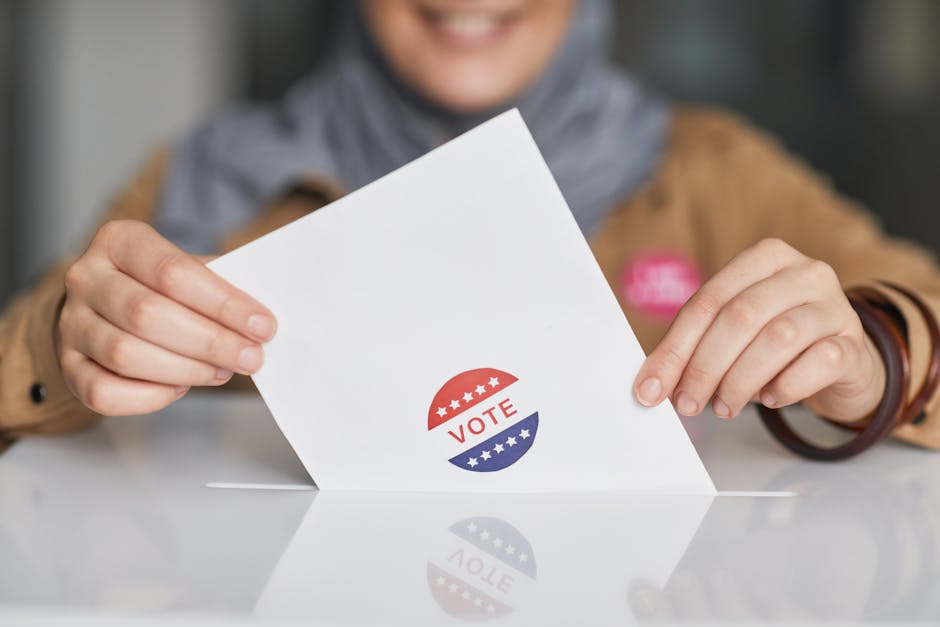
The long-awaited vote counting for the Delhi University Students' Union (DUSU) presidential election is currently in progress across multiple counting centres set up on campus, with results expected to reshape the landscape of student politics in the capital's largest university. The outcome will determine who leads the central panel for the 2026-27 academic session — a position that carries disproportionate influence over campus governance, cultural events, and student advocacy.
The Bharatiya Vidyarthi Vahini (ABVP), the student wing of the Rashtriya Swayamsevak Sangh ecosystem, has entered the fray as the frontrunner, bolstered by its extensive organisational network across DU's many colleges. The Indian National Students Union (NSUI), the youth brigade of the Indian National Congress, has mounted a coordinated campaign focused on issues of fee regulation, hostel conditions, and academic flexibility. Meanwhile, the Left-aligned alliance between the All India Students Association (AISA) and the Secular Front of India (SFI) has sought to consolidate anti-establishment sentiment among students critical of what they describe as the commercialisation of higher education.
This election cycle has been marked by unusually high voter turnout and intense campaign activity. Several colleges witnessed heated debates, street plays, and social media campaigns over the preceding weeks. Issues dominating the discourse include rising tuition and affiliation fees, the status of hostel accommodations, demands for reservation implementation in student body elections, and concerns over campus safety and harassment.
Polling took place across more than a hundred constituent and affiliated colleges of Delhi University, with the Election Commission overseeing the process under strict Model Code of Conduct guidelines. Security personnel were deployed at key venues, and electronic voting machines were used in the majority of polling stations. Analysts note that student union elections in Delhi University have historically served as a precursor to national electoral trends, with many prominent political figures having cut their teeth in DUSU politics.
The results, announced later this week, will signal which ideological orientation holds sway among the student electorate and could influence broader political calculations as the 2026-27 academic year gets underway.