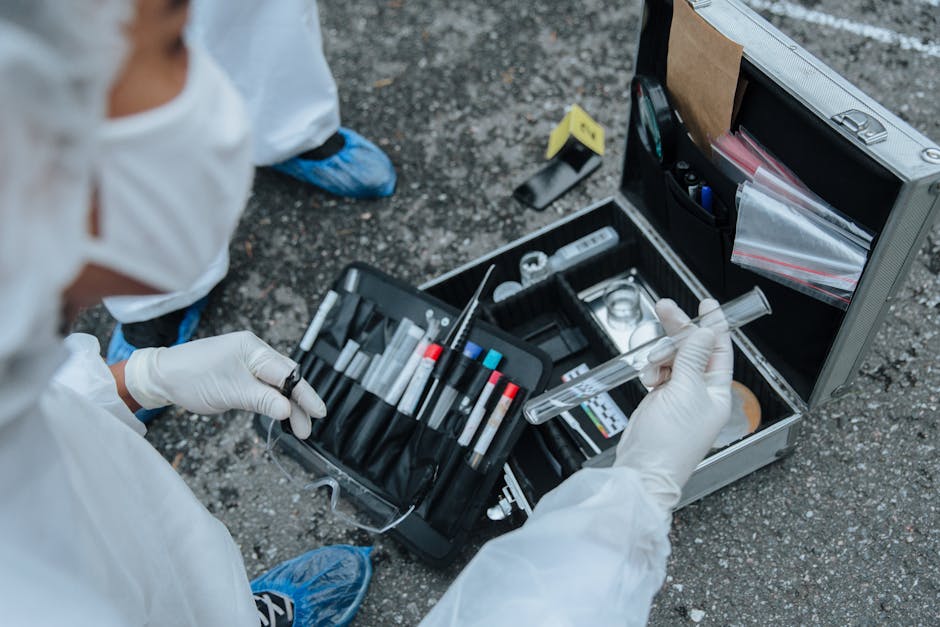
Mohali police have cracked open what is being called one of the most chilling serial crime cases in recent Punjab history after convicting Monu Kumar, 39, for his involvement in multiple rape and murder incidents. The conviction came through forensic science rather than traditional investigative methods — no eyewitness identified him and he never confessed. What tied the cases together was DNA evidence recovered from crime scenes.
The latest case to link to Kumar involved the rape and murder of a 60-year-old woman in Mohali, which sent shockwaves across the city. According to investigators, the elderly victim was attacked in what appeared to be a targeted assault that premeditation suggested someone familiar with the area was responsible.
Police revealed that the investigation into this crime led them back to Kumar, who had already been a person of interest in two other similar cases. All three convictions share a common thread: DNA profiles extracted from evidence at each crime scene matched the same individual — Monu Kumar. This marks a significant moment for Indian law enforcement, demonstrating how forensic technology can deliver justice even when witnesses are absent and suspects refuse to cooperate.
The case has sparked renewed debate about how India handles serial sexual offenders and whether existing laws provide adequate deterrence. Legal experts say the reliance on DNA evidence alone in securing convictions sets a precedent, but also raises questions about how long it would take to catch such criminals without advanced forensic capabilities.
Kumar is now serving sentences for all three cases and remains behind bars as authorities confirm no additional links to similar crimes have been found.


