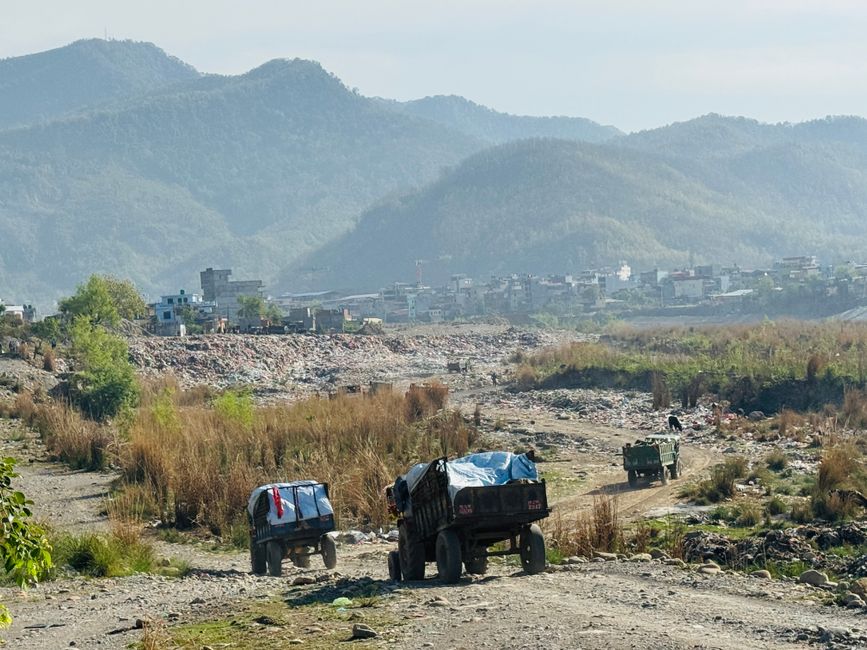
A cluster of government-led development projects — including road construction, electrification upgrades, and a new primary health centre — has finally reached a remote village in the Jammu region that was once in the national spotlight following the deaths of several local men in army custody. For decades, the village remained largely bypassed by the very infrastructure that the Indian government has been promoting across the union territory as a flagship initiative, leaving residents with dirt tracks, unreliable power, and limited access to medical care.
The village gained attention roughly a decade ago when multiple young men from the area died while allegedly in the custody of security forces deployed in the region. The incidents drew protests from families and human-rights organisations, who accused the authorities of extrajudicial killings disguised as encounter deaths. Government investigations at the time yielded conflicting conclusions — some inquiries cleared the personnel involved, while others resulted in minor disciplinary action. The case became one of many cited in broader debates about civilian safety and military operations in Jammu and Kashmir.
Since then, the villagers say they watched their neighbours move out while those who stayed behind grew older without seeing significant change. Women walked kilometres to reach the nearest school or clinic. Farmers lost produce because roads were impassable during monsoons. Young men left for cities like Delhi and Chandigarh seeking work, shrinking the village further.
Now, machines are finally rumbling into the settlement. A pucca road is being laid, solar street lights have been installed, and a health sub-centre is under construction. Officials from the Jammu and Kashmir administration and various central ministries have inaugurated small milestones of these projects, describing them as part of a renewed push for peace-building through development.
But at a recent gathering in the village, residents voiced a mixture of relief and resentment. "We are not against development — we need roads, we need hospitals, we need electricity," said one villager who asked not to be named. "But why does it come only after our sons and brothers are dead? Why do we have to beg for everything? And now that it is finally coming, some people say we should not ask questions anymore. That itself is painful."
Local activists have pointed out that similar patterns have repeated across parts of the region: development projects arriving in areas where rights violations were reported, often framed by officials as evidence that governance is improving. Critics argue that infrastructure cannot substitute for accountability, justice for victims' families, or guarantees that such incidents will not recur.
The village's panchayat has welcomed the new projects but has also formally requested that investigations into the custodial deaths be reopened and that compensation promised years ago be actually disbursed. As of now, several families say they have received only partial payments, if any.
For residents, the question remains open: when change finally arrives at a place long ignored, does it heal — or does it simply rewrite the story without addressing its roots?


