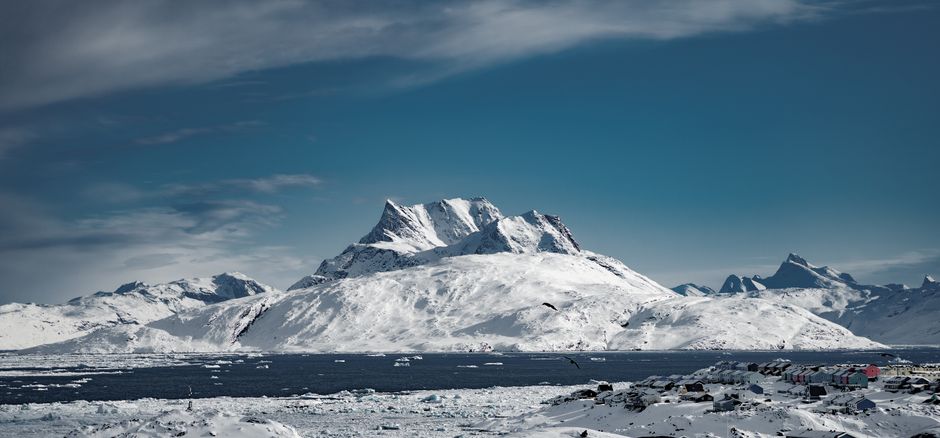
Danish Prime Minister Mette Frederiksen has thrown her support behind a proposed security deal involving Greenland and the United States, framing the agreement as a meaningful boost to transatlantic defence cooperation. Speaking to reporters, Frederiksen said the deal would strengthen shared security in the Arctic and North Atlantic area, areas that have grown increasingly strategic in recent years.
The agreement is expected to be formally signed on the sidelines of the United Nations General Assembly next week, according to Frederiksen. The timing places the signing at a high-profile multilateral forum where leaders from around the world gather, lending additional visibility to the deal.
Greenland, an autonomous territory within the Kingdom of Denmark, has long been recognised as a location of strategic military importance. Its proximity to the Arctic passage and the North Atlantic makes it a key piece in the broader calculus of European and North American defence planning. The island hosts Thule Air Base, a critical US military installation that plays a role in missile warning and space surveillance systems.
Frederiksen's endorsement aligns with a broader push by Washington to deepen its footprint in the Arctic. The United States has expressed growing interest in securing its interests in the region as climate change opens new shipping routes and as competing powers, particularly Russia and China, expand their presence in the far north. A formalised security arrangement with Greenland would represent one of the most concrete steps yet in that strategy.
European allies have generally welcomed the development. The Danish PM explicitly noted that the deal was "good for NATO" and "good for Europe," suggesting that Copenhagen sees the agreement as reinforcing — rather than complicating — the alliance's northern flank. Several European defence analysts have echoed that view, noting that a more structured US presence in the Arctic could help fill gaps in monitoring and rapid response capabilities that have worried NATO planners.
Greenland's own government has also weighed in, with local officials expressing cautious optimism about what the deal could mean for the island's infrastructure and economic development, while stressing that Greenland retains autonomy over its internal affairs.
As the signing approaches, attention now turns to the specifics of the arrangement — including what responsibilities it assigns to the United States, what level of US military presence it permits, and how it interacts with existing defence frameworks between Denmark, Greenland, and NATO.