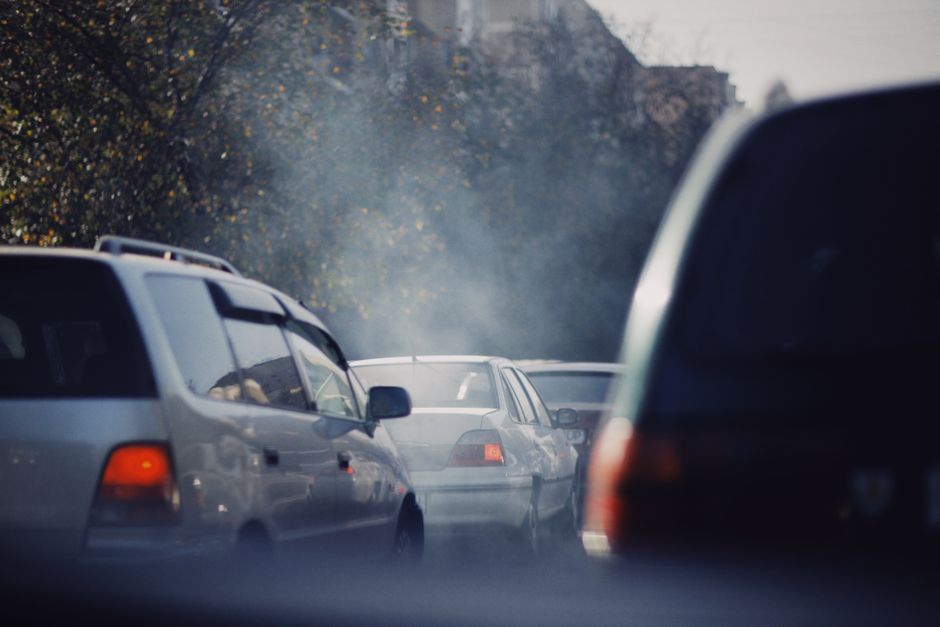
The Delhi government has taken a significant step up its campaign against worsening vehicular air pollution by opening two new Automated SMOKE Testing Centres (ASTCs) specifically designed to check emissions from commercial vehicles. The move comes amid rising concerns over air quality in the national capital, where pollution levels frequently breach hazardous thresholds every winter.
In addition to the new facilities, the government announced plans to install closed-circuit television cameras at existing pollution testing centres across the city. Officials stated that the surveillance systems would help eliminate the possibility of manipulation or lax enforcement during emission checks, which have historically been plagued by allegations of bribery and procedural shortcuts. The camera network will cover testing equipment, verification processes, and waiting areas at the centres.
The two newly commissioned automated stations are expected to handle high volumes of commercial vehicle testing daily, including trucks, buses, and goods carriers that are typically major contributors to nitrogen oxide and particulate matter in Delhi's atmosphere. Vehicle owners must ensure their vehicles meet the prescribed emission norms; those found non-compliant face penalties and may be required to undertake repairs before being cleared for road use.
Pollution in Delhi remains a persistent public health crisis. Every year between October and January, the city records some of the world's worst air quality due to a combination of vehicular emissions, construction dust, crop stubble burning in neighbouring states, and unfavorable meteorological conditions that trap pollutants near the ground. The World Health Organization's safe limit for PM2.5 particles is routinely exceeded by twenty to thirty times during peak pollution months.
Environmental activists and health experts have welcomed the government's intensified approach but cautioned that automated testing is only one component of a much larger strategy needed to meaningfully reduce traffic-related pollution. They called for stricter enforcement on older vehicles, faster adoption of electric public transport, and better regulation of industrial emissions to complement the new testing infrastructure.


