The Delhi High Court has dismissed a public interest litigation (PIL) that sought a probe into allegations that Delhi Police lathi-charged students during a protest organized under the leadership of the Chief Justice of India. The court observed that the Delhi Police had already issued a formal statement on the matter, but that various media reports told a different story — and expressed skepticism about directing an independent inquiry when the facts were already in the public domain through multiple sources.
During the hearing, a bench of the high court questioned the very basis of the petition. The court remarked that since the police had put out their official version and the media had simultaneously published counter-narratives, it was not clear what additional direction the court could meaningfully provide. The judge pressed the petitioner to explain precisely what relief was being sought when both sides had already made their claims publicly.
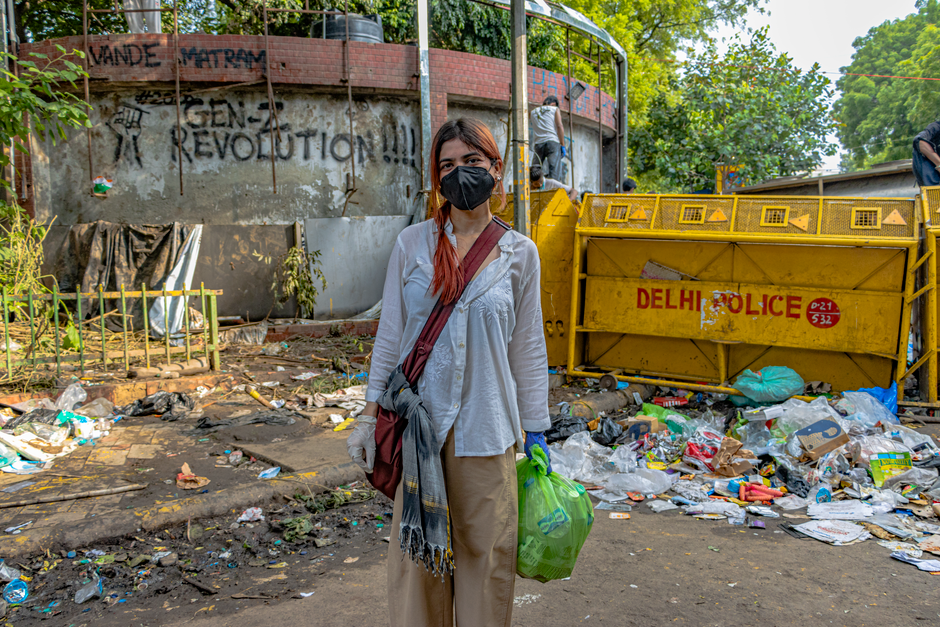
The protest in question drew significant attention after images and videos circulated on social media showing a confrontation between demonstrators and law enforcement personnel near a key government area in the capital. According to the PIL, several students were injured during the police action. However, Delhi Police maintained that the protest had turned unruly and that force was used only after protesters attempted to breach security cordon lines.
Legal experts note that PILs seeking judicial intervention in matters where parallel investigations or factual disputes already exist through media coverage often face an uphill battle. The high court's comments reflect a broader judicial tendency to avoid directing fresh inquiries when substantial information is already available through established channels such as press reports and existing police records.
The case highlights the growing tension between student activism and law enforcement in the national capital, where large-scale demonstrations are a frequent occurrence and police response has occasionally drawn criticism from rights groups.


