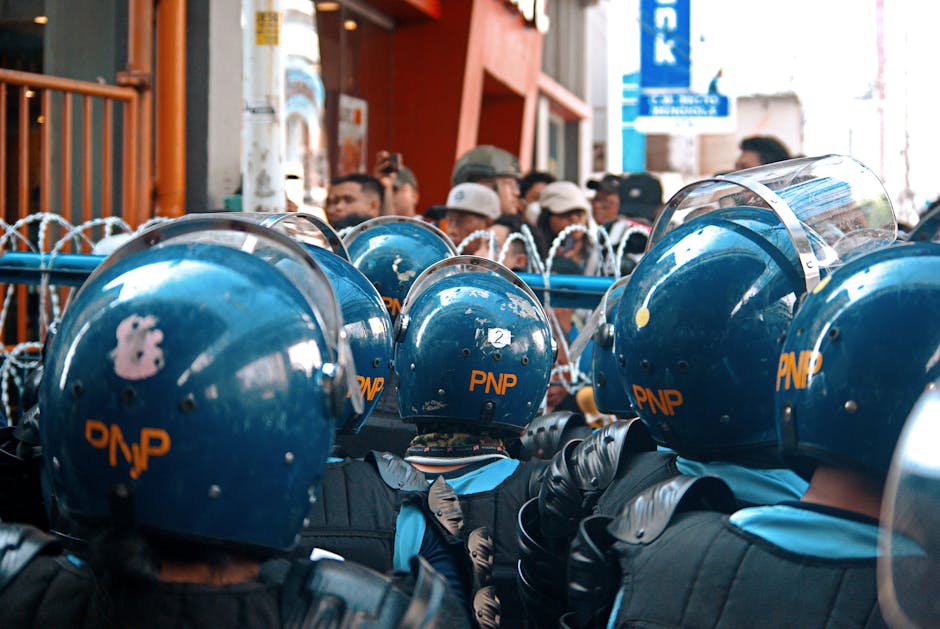
New Delhi is mounting one of the most elaborate security operations in recent memory in preparation for the BRICS summit, deploying a series of overlapping defensive layers that span intelligence gathering, physical barricading, surveillance technology and cross-agency coordination.
At the outermost tier, police and paramilitary forces have been positioned across key entry points into the capital to screen vehicles and identify potential threats before they reach central zones. Inside this perimeter, a second ring of security has been established around major diplomatic corridors and venue approaches, where additional checkpoints and identity verification protocols will be enforced during the event window.
Intelligence agencies are working around the clock to monitor communications and assess threats from multiple vectors, including extremist groups and individuals with known histories of political protest. The National Investigation Agency and local police intelligence wings are sharing real-time data through a dedicated command centre set up specifically for the summit.
Surveillance infrastructure has been significantly expanded as well. Hundreds of additional CCTV cameras, license-plate readers and drone-detection systems have been installed along strategic routes. Civil aviation authorities have also imposed temporary restrictions on unmanned aerial vehicle operations in designated airspace above the capital.
Administrative measures include planned traffic diversions, school and college closures on high-alert days, and voluntary work-from-home directives for certain government offices. Residents in affected neighbourhoods have been asked to register vehicles and report suspicious activity through a helpline managed by the Delhi Police commissionerate.
The multi-layered approach reflects lessons learned from previous international summits hosted in India, where isolated security failures at any single layer could have jeopardised the entire operation. By stacking redundancies, organisers aim to ensure that if one measure is compromised, subsequent defences remain intact.
Security officials emphasised that while the posture is firm, the aim is to cause minimal disruption to daily life outside the immediate summit zone. Evacuation routes and emergency medical services have been pre-positioned throughout the city as contingency measures.


