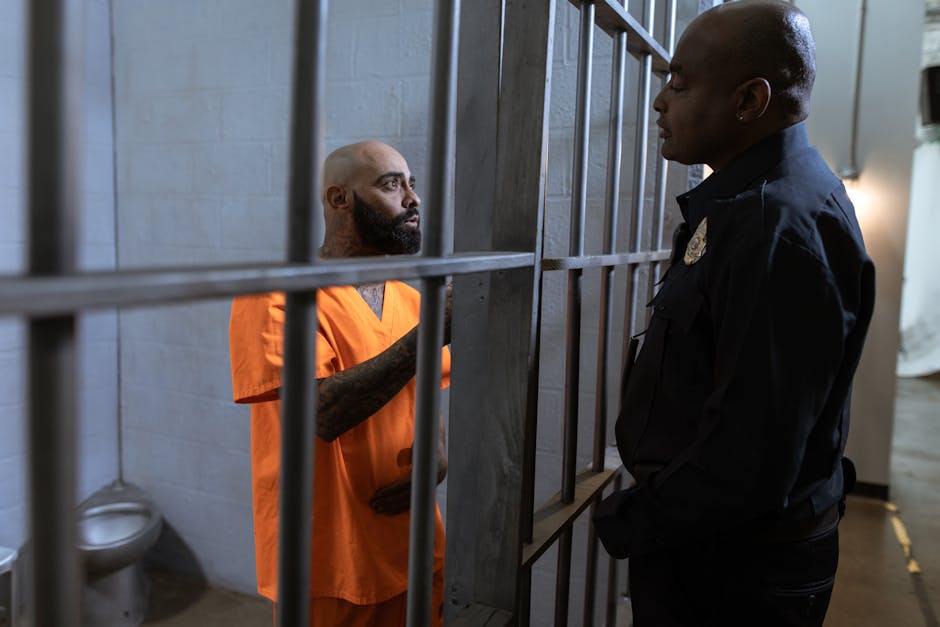
The machinery of capital punishment in India was set to execute Surendra Koli, but on every occasion that a hanging date was finalised, something intervened to put it on hold. For over twelve years, Koli remained on death row, a prisoner whose noose seemed perpetually within reach yet never fell.
Koli was convicted in 2004 for the gruesome rape and murder of law student Priyadarshini Mattoo, who was strangled in her Delhi home in January 1996. His case became one of the most scrutinised criminal trials in recent Indian history, partly because it was among the first in which DNA evidence played a decisive role in securing a conviction.
After his conviction in 2004, Koli's case moved through multiple courts. The Supreme Court confirmed the death sentence in 2012, after which various legal remedies opened up — review petitions, curative petitions, and mercy pleas before the President. Each of these avenues provided a fresh stay, delaying the moment of execution time and again.
Reports suggest that prison officials in Tihar Jail in Delhi were repeatedly prepared for a hanging, with hangmen and the necessary arrangements put in place, only to have the dates postponed at the last moment due to pending legal matters or gubernatorial consideration. These false starts became a source of immense frustration for victims' families and legal experts alike.
Eventually, Koli's sentence was commuted to life imprisonment in 2014 after the President rejected his mercy petition. However, the long, drawn-out saga highlighted a recurring pattern in India's death penalty framework — where convicts often spend more than a decade awaiting execution, during which time numerous legal challenges keep the death warrant in perpetual suspension.
Human rights groups and legal scholars have pointed to this prolonged uncertainty as a flaw in the system, arguing that either punishments should be carried out without excessive delay or the legal process should be reformed to reduce such indefinite limbo for both convicts and victims' families.