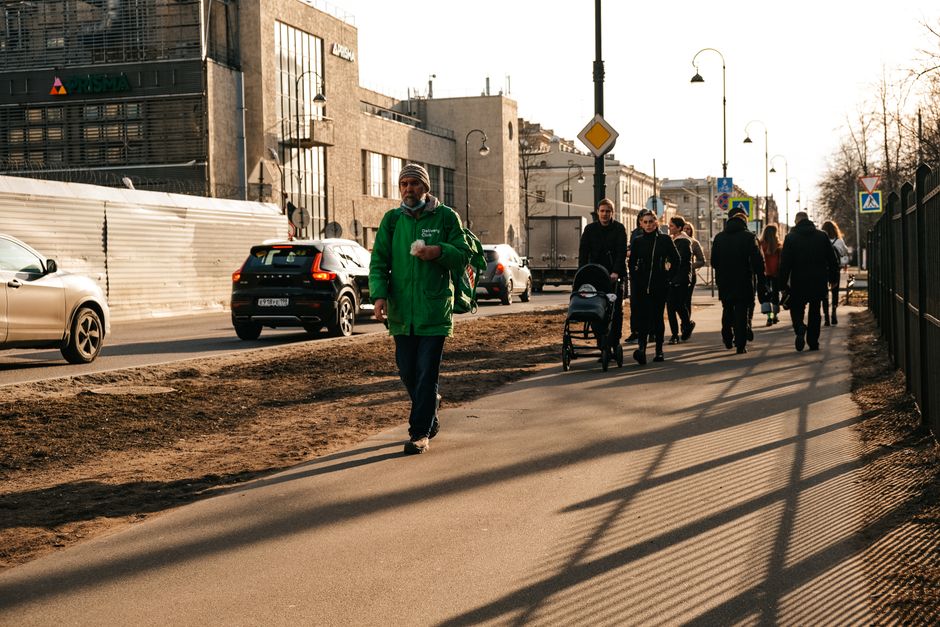
The High Court was recently apprised that the government is making concerted efforts to integrate pedestrian infrastructure into street redevelopment projects undertaken under the Smart Cities Mission. The information came during hearing on a public interest petition that raised concerns about the deteriorating condition of footpaths, the near-absence of designated crossings, and the general endangerment of pedestrians in urban areas across the country.
The petition argued that despite substantial funds being allocated under the Smart Cities Mission for urban infrastructure modernisation, the needs of walkers have been largely overlooked. Citizens frequently face the choice of either walking along active traffic lanes or navigating broken, encroached, or entirely absent footpaths — situations that have resulted in numerous accidents and injuries over the years.
During the proceedings, the government's legal team stated that pedestrian-friendly provisions, including elevated footpaths, zebra crossings, signal-controlled intersections, and ramp access for persons with disabilities, are being factored into ongoing street transformation projects in participating cities. Officials emphasised that the mission's guidelines do accommodate accessibility standards, though they acknowledged that implementation has been uneven across different municipalities.
Counsel appearing in the matter remarked that while the government's intent appears positive, on-ground verification reveals persistent gaps. Many newly developed corridors still lack continuous footpath networks, and in several locations, existing pavements remain obstructed by parked vehicles, utility installations, and commercial encroachments that leave little room for safe walking.
The court is expected to monitor compliance closely and may direct independent audits of selected Smart Cities projects to assess whether pedestrian infrastructure targets are being genuinely met or remain only on paper. Legal experts note that this case could set an important precedent for holding urban local bodies accountable for inclusive street design that serves all road users, not just motorists.
The broader discussion also touches on India's long-standing car-oriented urban planning tradition, which has historically privileged vehicular movement over human-scale mobility. Advocates for pedestrian rights argue that meaningful change will require not just policy directives but sustained enforcement and community engagement.


