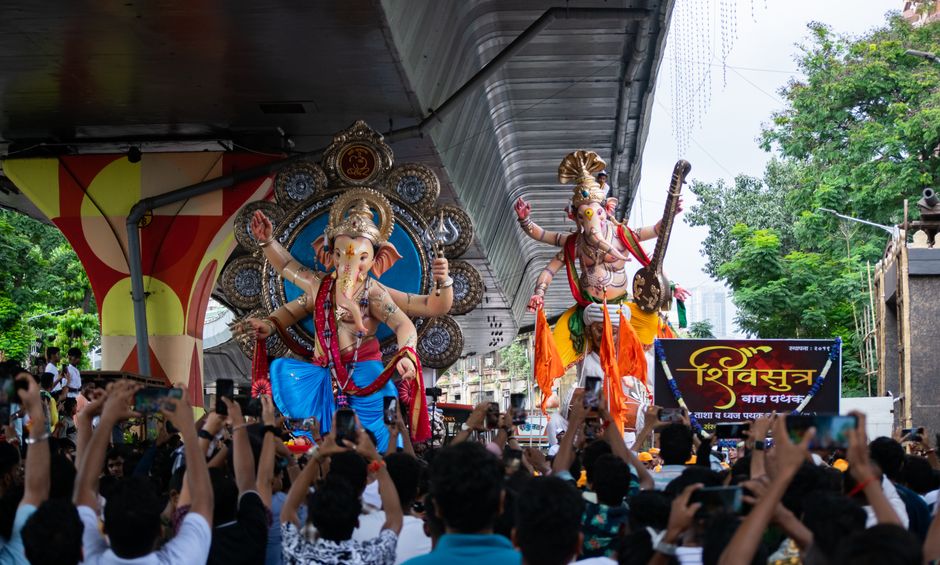
Pune has come under judicial scrutiny after a court raised serious doubts about the legality and reasoning behind the city's blanket ban on alcohol sales during the annual Ganeshotsav festival. The bench, while hearing petitions challenging the prohibition order, pointed out that no demonstrable link existed between liquor consumption and law-and-order disturbances specific to Pune during the celebrations.
The court observed that the prohibition order appeared to single out Pune disproportionately compared to other cities in the state, asking officials directly what message such an exclusionary measure was intended to convey. Legal experts say the remark underscored concerns about arbitrary municipal action without uniform statewide standards.
Beyond the question of equal treatment, the judiciary also flagged public health implications. The bench noted that abruptly cutting off supply for habitual drinkers could force vulnerable individuals into withdrawal, potentially sending them to hospitals. This health-angle argument added weight to the challenge, suggesting the ban may have unintended consequences for a significant segment of the population.
Ganeshotsav, one of Maharashtra's most widely celebrated festivals, typically sees heightened enforcement of liquor restrictions across several districts. However, Pune's order drew particular attention because of its comprehensiveness and the lack of prior data or incident reports being produced to justify it. Petitioners argued that unless the administration can show a documented spike in violence or public disorder directly traceable to alcohol during previous festivals, the prohibition amounts to punitive overreach.
The case is expected to keep the state government and local civic authorities on the back foot, particularly if the court directs them to produce evidence or reconsider the order. A final decision is yet to be delivered.