The Indian National Congress has put forward a bold explanation for its performance in the recent Rajasthan assembly polls — arguing that widespread sympathy and solidarity from Dalit voters after a contentious remark made by party president Mallikarjun Kharge actually worked in its favour.
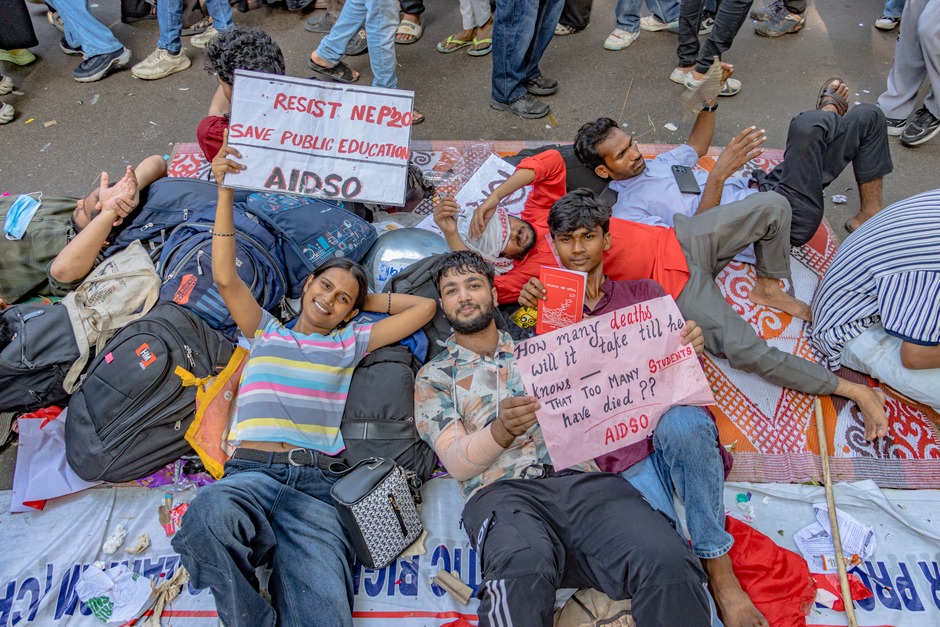
The controversy centres on comments made by Kharge regarding social justice and political representation for Scheduled Castes and Scheduled Tribes. During a public interaction, he suggested that members of these communities should focus on securing adequate reservation in government jobs and education rather than pursuing direct electoral representation. The remark immediately drew sharp criticism from Dalit organisations, student groups, and political opponents across the country.
However, Congress leadership now argues that the intense backlash paradoxically strengthened the party's position in Rajasthan. According to senior Congress sources, the initial criticism created a wave of conversations across Dalit communities about representation and rights, and when the party clarified its stance and reaffirmed its commitment to social justice, many voters appreciated the dialogue rather than alienating them.
Rajasthan has historically been a battleground where caste arithmetic plays a decisive role. Dalit voters form a significant demographic, and political parties have long recognised that outreach to these communities is essential for electoral success. Analysts note that the Congress strategy of turning a controversy into a conversation about inclusive governance appears to have resonated with voters who were weary of caste-based rhetoric without substance.
Opposition parties have dismissed the Congress explanation as an attempt to whitewash an insensitive remark. Critics argue that framing a backlash as an advantage demonstrates political cynicism rather than genuine engagement with Dalit concerns.
Election observers stress that Rajasthan's voting patterns reflect a complex mix of developmental issues, local leadership, and caste dynamics — and reducing the outcome to a single controversy oversimplifies a nuanced electoral landscape.