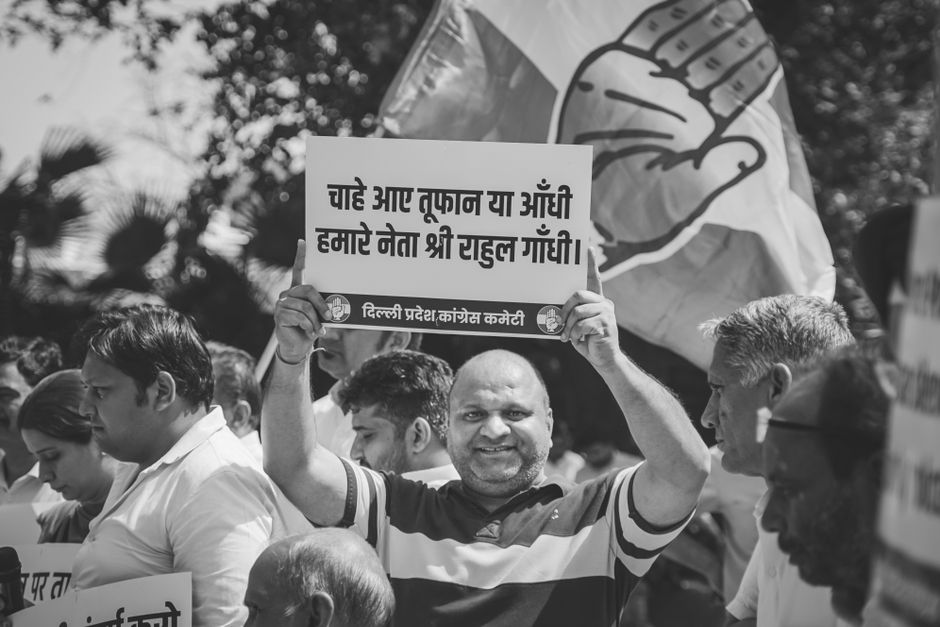
A sharp political feud between the Bharatiya Janata Party (BJP) and the Indian National Congress erupted on Wednesday after both sides traded accusations over the handling of ongoing student protests demanding changes to the National Eligibility cum Entrance Test (NEET) and other education-related concerns.
The BJP, through several state units and central spokespersons, alleged that Congress-led state governments—particularly in Maharashtra, Rajasthan, and Delhi—had ordered schools to close prematurely to placate student demonstrators, arguing that the move undermined academic schedules and set a dangerous precedent of yielding to street pressure.
"When students have legitimate grievances, the answer is dialogue, not shutting down classrooms," said a senior BJP leader, asking why opposition-run states were bowing to protest demands while keeping their own administrative machinery aligned with the centre's education timeline.
Congress swiftly fired back, with party spokespersons accusing the BJP of mocking young people who were demanding fairness in one of India's most high-stakes competitive exams. The term "party of jokers" was deployed during a press interaction in New Delhi, where a Congress leader argued that the ruling party had spent more time dismissing student voices than addressing the systemic issues that sparked the protests in the first place.
The row has intensified against a backdrop of widespread student demonstrations across multiple states. Thousands of students, many from medical and engineering backgrounds, have been staging rallies and online campaigns calling for reforms to the NEET exam pattern, greater transparency in seat allocation, and relief for candidates who missed out on admissions due to procedural hurdles or anxiety-related performance issues.
Education experts and legal observers have noted that the NEET controversy touches on deep structural questions—about standardisation versus accessibility, national uniformity versus regional linguistic diversity, and the psychological toll on adolescents facing a single-exam fate-determination system. Multiple petitions have been pending before the Supreme Court, and the government has faced repeated pressure to form a committee that includes teachers, parents, and student representatives.
Political analysts say the current exchange reflects a familiar pattern: the BJP accusing opposition governments of populist concessions, and Congress countering that the ruling party lacks empathy for ordinary citizens struggling within existing systems. Both sides, however, have avoided directly engaging with the substantive policy demands raised by the student movement.