Bitcoin miners are increasingly reconsidering their operational focus, with a fresh report from digital asset research firm CoinShares highlighting that artificial intelligence computing leases are dramatically more lucrative than traditional cryptocurrency mining. The firm's latest analysis suggests that the trend of miners repurposing their energy-hungry facilities for AI workloads may accelerate, driven by a stark divergence in profitability metrics.
According to CoinShares, AI compute leases can generate approximately $1.5 million annually per megawatt of power capacity. This figure stands in sharp contrast to the revenue derived from Bitcoin mining operations, which have faced mounting pressures from rising energy costs, regulatory scrutiny, and the periodic halvings that cut block rewards in half. While exact Bitcoin mining revenues vary with market conditions, the report underscores that the financial incentive to switch is now substantial enough to reshape industry dynamics.
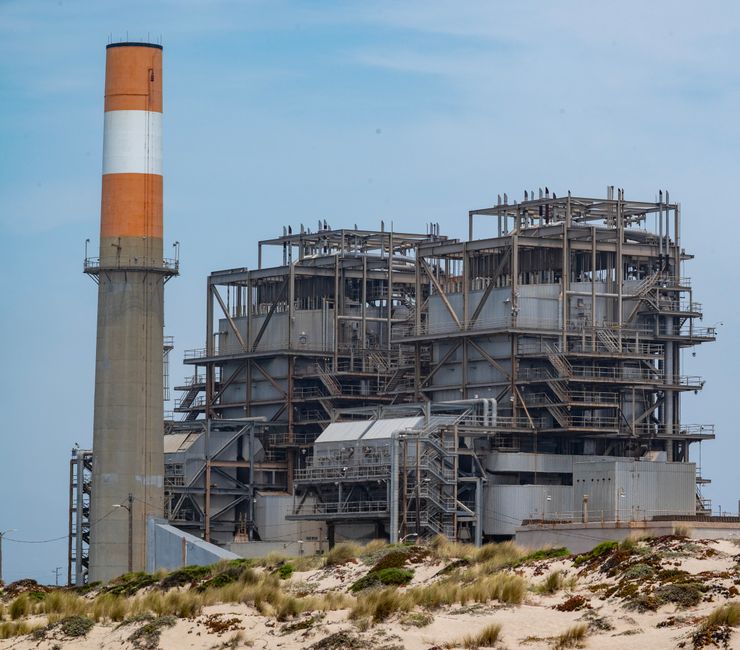
The phenomenon reflects a broader structural change in the data center sector. Facilities originally built for crypto mining already possess the heavy electrical infrastructure, cooling systems, and real estate that make them attractive candidates for hosting AI cloud services. As demand for machine learning and generative AI computing surges globally, several publicly traded mining companies have begun piloting or fully transitioning portions of their fleets to AI hosting contracts.
Analysts note that this pivot does not necessarily signal the end of Bitcoin mining, but rather a recalibration of risk and reward. Miners that successfully lease space to AI firms can lock in more predictable income streams, insulating themselves from the extreme volatility of cryptocurrency markets. However, the shift also raises questions about the long-term security and decentralization of the Bitcoin network if a significant share of hash rate exits the ecosystem.
The CoinShares report comes amid ongoing debates about the environmental footprint of energy-intensive computational industries. Both Bitcoin mining and AI data centers face growing pressure to demonstrate sustainable energy sourcing, though proponents argue that repurposing existing infrastructure for AI may ultimately reduce the marginal environmental impact compared to building new facilities from scratch.
Industry observers expect continued reporting on this convergence as quarterly earnings reveal the actual financial outcomes of hybrid mining-AI models. For now, the data suggests that the economics are compelling enough to drive a measurable reallocation of capital and energy across the digital asset landscape.