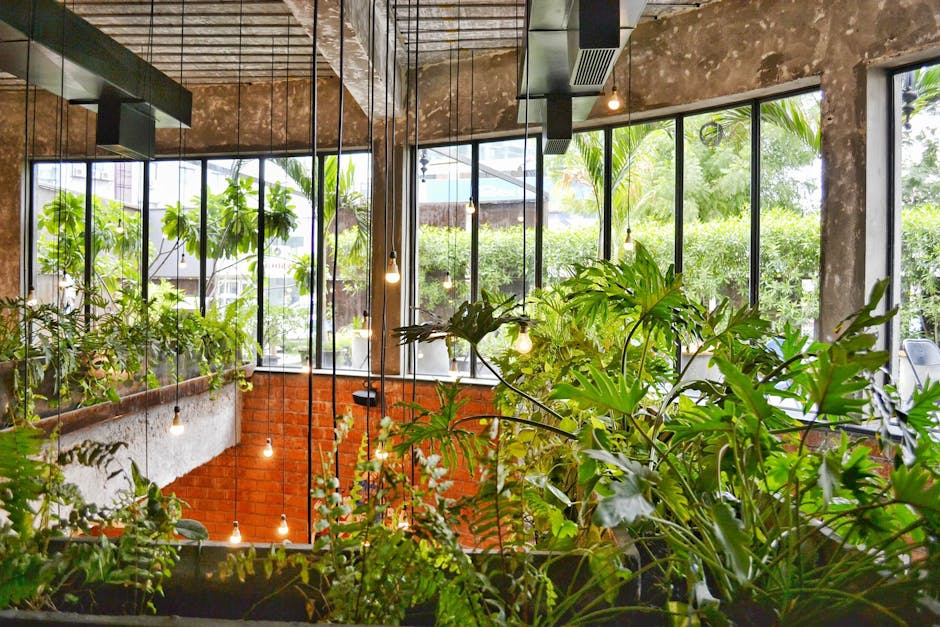
The climate-action-oriented café brand 1.5 Degree has opened two new outlets in the heart of South Delhi — one in Greater Kailash Part 1 and another in the vibrant Hauz Khas neighbourhood. The expansion signals the group's ambition to move beyond its earlier single-location format and bring its eco-first dining concept to some of the city's most high-footfall areas.
1.5 Degree was originally conceived as a platform to merge environmental advocacy with everyday social life. The brand takes its name from the 1.5°C temperature threshold identified by climate scientists as a critical limit beyond which warming-related damage accelerates sharply. Its cafés are designed not just as food and beverage outlets but as community hubs where patrons can engage with sustainability-themed events, workshops, and conversations.
The new GK1 outlet sits in a densely populated residential and commercial zone known for its affluent clientele, while the Hauz Khas location places the brand at the centre of Delhi's youth and cultural circuit. Both spaces have been fitted out with sustainable design elements consistent with the chain's existing ethos — including reusable serviceware, energy-efficient appliances, and décor made from recycled or upcycled materials.
Menu offerings continue the brand's focus on locally sourced ingredients and reduced-food-mile sourcing, aiming to lower the carbon footprint associated with every meal served. The organisation has also committed to offsetting emissions from its operations through verified climate projects.
Industry observers note that the dual launch reflects growing consumer appetite in metropolitan India for purpose-driven brands — businesses that align their commercial activities with environmental responsibility. The move also comes at a time when Delhi faces worsening air quality and rising temperatures, making climate-aware enterprises particularly visible and relevant in the capital.
Founders behind the project have described the expansion as a test of whether sustainability-first hospitality can be scaled profitably without compromising on its core message. If successful, the model could inspire similar ventures across other Indian cities.