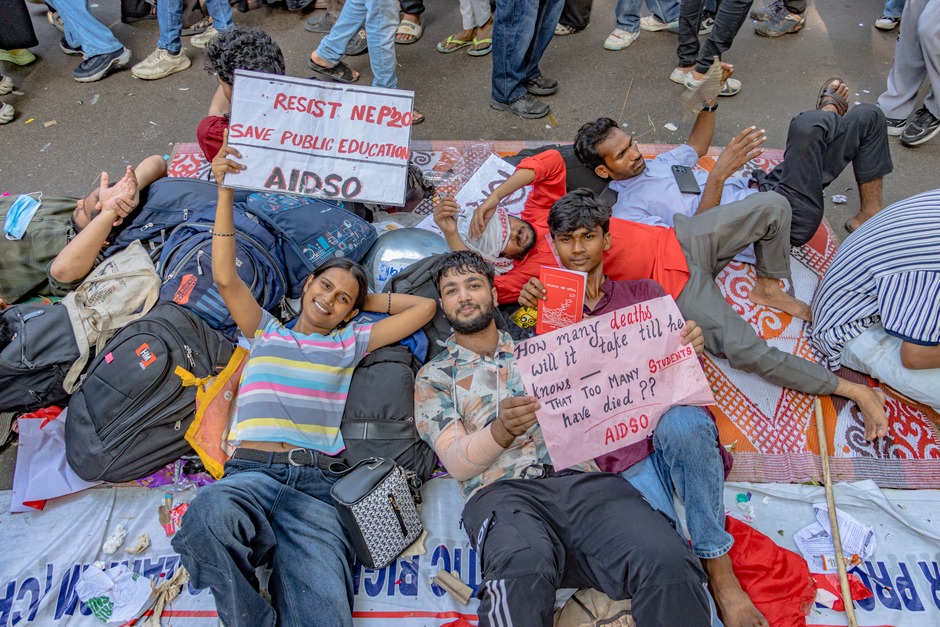
The Chief Justice of India has issued a pointed reminder that the judiciary must remain open to public examination if it hopes to maintain legitimacy, striking at the heart of ongoing debates about judicial accountability and transparency. Speaking on the record, the CJI emphasized that no court can claim the confidence of citizens by placing itself beyond the reach of scrutiny, and that institutions of justice must be willing to face questioning and, when warranted, criticism.
The remarks come amid growing public discourse on the balance between judicial independence and institutional accountability — a tension that has surfaced repeatedly in recent years as the Supreme Court and high courts have faced criticism over everything from delays in delivering verdicts to the internal processes by which judges are appointed and transferred. The CJI’s comments appear to acknowledge that an insulated judiciary risks losing public faith, even as the same principle is sometimes invoked to defend judicial decisions from political interference.
Legal experts say the statement reinforces a delicate equilibrium. A senior constitutional lawyer who requested anonymity noted that the judiciary’s authority rests not merely on its constitutional powers but on public perception that it acts fairly and transparently. When courts shut the door to scrutiny, they invite suspicion — and suspicion erodes compliance with their orders.
The observation also resonates with broader calls for reform within the Indian legal system. Critics have long argued that certain aspects of judicial functioning — including the collegium system for appointments, the handling of contempt petitions, and the opacity around disciplinary proceedings against judges — warrant greater exposure to external review. Proponents of judicial independence counter that excessive scrutiny could embolden political actors to undermine the courts’ role as a check on executive power.
Analysts note the timing is significant. With several high-profile cases pending before the Supreme Court and increasing political rhetoric targeting judicial interventions, the CJI’s message seems aimed at both reassuring the public and drawing a line: the judiciary is committed to self-reflection, but that does not mean yielding to external pressure on substantive matters.
For now, the statement stands as both a reaffirmation of judicial humility and a challenge to the system itself — an invitation to subject its workings to reasonable examination while guarding the independence that makes courts capable of checking other branches of government.