China has formally asked Iran to use its influence over Yemen's Houthi movement to curb further escalation in the Red Sea region, according to diplomatic sources familiar with the matter. The request marks a notable shift in Beijing's engagement with Middle Eastern conflicts, coming after Saudi Arabia directly appealed to Chinese leadership for help in addressing what it described as an increasing military threat from Houthi forces.
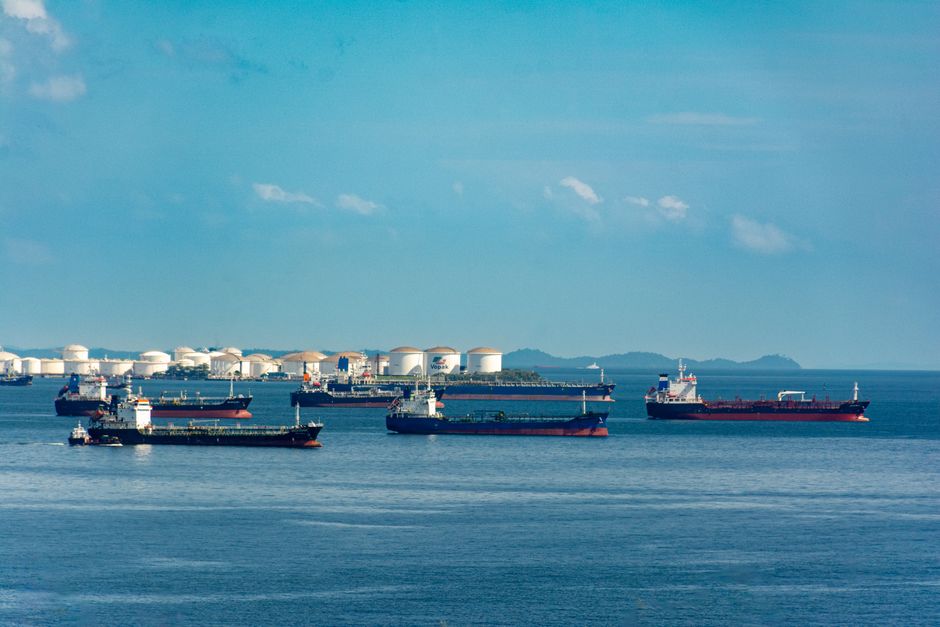
The urgency of China's intervention is rooted heavily in economic self-interest. Beijing relies on vast quantities of energy imports that transit through the Bab el-Mandeb strait and the Red Sea — routes now dangerously exposed to Houthi military operations, including attacks on commercial vessels. A wider conflict in the region would threaten not just Chinese energy security but global supply chains upon which India and several other Asian economies also depend.
Iran, the Houthis' primary backer, responded by tying any de-escalation to broader geopolitical demands. Tehran insisted that lasting stability in the region cannot be achieved while what it described as the ongoing US-Israeli war continues, a clear reference to the conflict in Gaza and broader regional hostilities. This response underscored the complex web of alliances and grievances that make unilateral influence over the Houthis difficult for even a patron state like Iran.
Diplomatic analysts note that China's leverage over Iran is not unlimited. While Beijing has deepened its economic ties with Tehran in recent years, particularly through energy agreements and infrastructure investment under the Belt and Road Initiative, it lacks the direct political or military clout that Washington has long exercised in the region. China's previous mediation efforts, such as brokering a Saudi-Iran rapprochement in 2023, showed promise but have since stalled amid renewed regional fighting.
The current moment tests whether China can translate its economic weight into meaningful diplomatic outcomes in the Persian Gulf. For India, the situation carries additional gravity, given that New Delhi also depends on these shipping lanes for energy imports and the safety of hundreds of thousands of Indian citizens working in the Gulf. As Houthi naval activity persists and great power diplomacy intensifies, the risk of miscalculation affecting multiple regional and international actors remains high.