In a sharply worded public response, veteran Congress leader and former Finance Minister P Chidambaram declared himself willing to wear the label 'Dimagi Naxal' (intellectual Naxal) with pride, directly countering a series of personal attacks made by Prime Minister Narendra Modi. The remarks followed Modi's recent speech in which he referred to Chidambaram as a 'naraaz fufa' (angry uncle) and reinforced the government's pledge to eradicate all forms of Naxal ideology across the country. Chidambaram, addressing reporters shortly after, stated that he found the 'Dimagi Naxal' tag an honourable designation for anyone who critically examines government policies, and brushed aside the 'angry uncle' comment as mere political theatre designed to distract from substantive governance issues. The former Union minister also pointed out that Modi's creative use of demeaning vocabulary seemed to reflect a frustration with facing well‑informed opposition rather than engaging with policy differences. Political observers noted that the exchange highlights an ongoing trend in which the Prime Minister’s office has increasingly employed personalised, colloquial insults to marginalise senior opposition figures. Chidambaram, who has been at the centre of several high‑profile legal cases involving money‑laundering and corruption allegations stemming from the 2G spectrum deal, has consistently denied any wrongdoing and framed the prosecutions as politically motivated. The Congress leader’s decision to reclaim the 'intellectual Naxal' epithet mirrors a broader rhetorical strategy adopted by some opposition circles to deflect character assassination by turning pejorative labels into badges of defiance. Analysts suggest that such verbal spats, while dramatised in media cycles, ultimately underscore the deepening political polarisation and the declining decorum in India’s highest‑level political discourse. Both sides are expected to continue using pointed rhetoric as electoral considerations loom in several states.
Chidambaram Embraces 'Dimagi Naxal' Tag After Modi's 'Angry Uncle' Remark
This article was created with AI assistance.
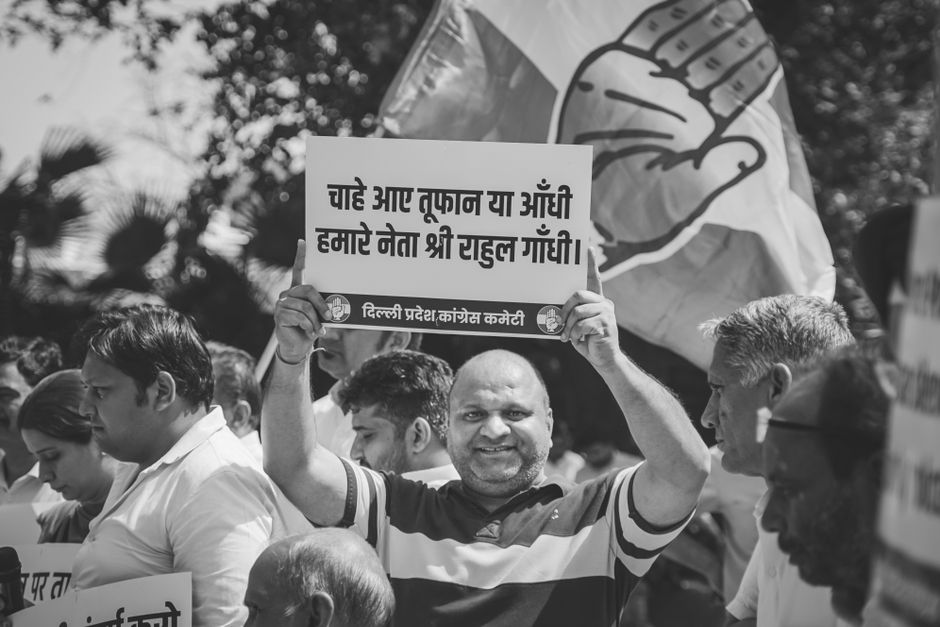
Senior Congress leader P Chidambaram says he is proud to be called an intellectual Naxal, dismissing PM Modi's derogatory nickname as trivial political noise amid escalating verbal exchanges.
Key Facts
- Senior Congress leader and former Finance Minister P Chidambaram publicly accepted the label 'Dimagi Naxal' as an honourable distinction.
- He dismissed Prime Minister Narendra Modi's 'naraaz fufa' (angry uncle) remark as trivial political mudslinging lacking any substantive critique.
- The exchange followed Modi's reinforcement of the government's commitment to root out all forms of Naxal ideology, a stance widely interpreted as targeting opposition voices.
- Chidambaram has faced multiple Enforcement Directorate investigations and legal cases, which he denies, asserting they are politically driven.
- Political analysts view the incident as evidence of Modi's personalised attack strategy and the opposition's defiant reclamation of derogatory tags.
Why It Matters
The episode illustrates how India's top leadership battle is increasingly fought through personalised rhetoric rather than policy debate, potentially lowering the tone of national political discourse. For voters, it raises questions about whether the government's focus on ideological purification through language distracts from developmental agendas. The opposition's refusal to back down signals a hardening of political lines that could influence coalition dynamics and electoral strategies ahead of upcoming state and national polls.