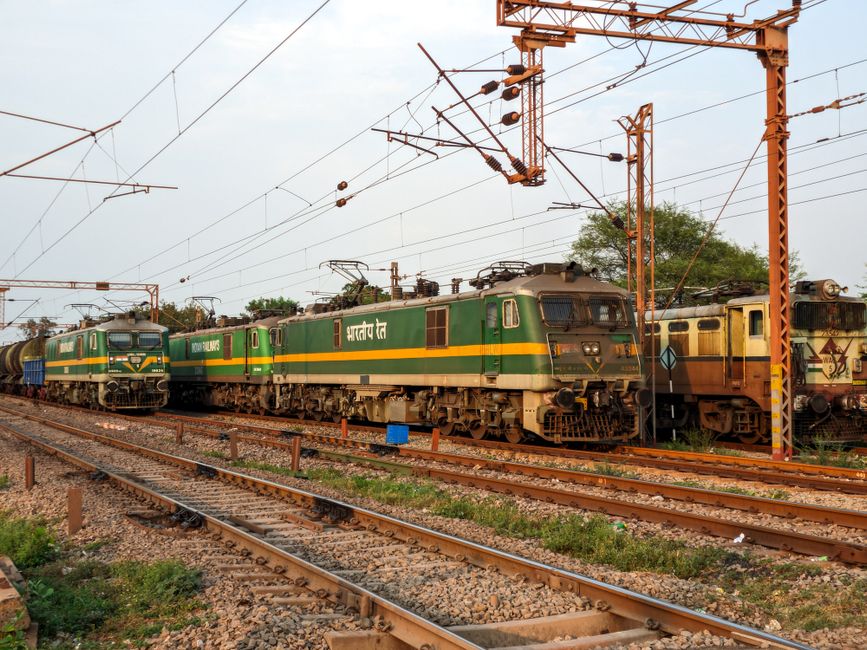
The Union Cabinet, chaired by Prime Minister Narendra Modi on Wednesday, accorded approval to eight major multi-tracking railway projects spread across nine Indian states. The total financial outlay for the approved projects stands at approximately ₹20,000 crore, marking one of the largest single rounds of railway infrastructure investment in recent years.
Multi-tracking refers to the conversion of existing single-line railway routes into double or triple-line tracks. This process significantly increases the capacity of a rail corridor, allowing more trains to run simultaneously and reducing delays caused by congestion on busy routes.
The approved projects will cover approximately 1,200 kilometers of new or upgraded rail lines across 20 districts. The states involved are West Bengal, Jharkhand, Odisha, Madhya Pradesh, Chhattisgarh, Tamil Nadu, Andhra Pradesh, Karnataka, and Telangana. These corridors fall under several key railway zones, including the Eastern, South Eastern, South Western, South Central, and Southern Railways, all of which have been operating well beyond their designed capacity.
Railway experts note that multi-tracking projects have historically seen faster execution compared to entirely new line construction, as they leverage existing land corridors and minimize land acquisition challenges. The current phase builds on a long-standing government push to modernize rail infrastructure and decongest some of the country's most heavily trafficked routes.
The impact of these projects is expected to be felt well beyond urban centres. Around 6,900 villages across the nine states will gain improved rail connectivity, benefiting an estimated one crore people. Better connectivity typically translates into reduced travel time, greater reliability, and improved access to healthcare, education, and employment opportunities for rural and semi-urban populations.
The timing of the approval also aligns with the government's broader infrastructure ambitions, where railways serve as a central pillar of economic growth and regional development strategies.


