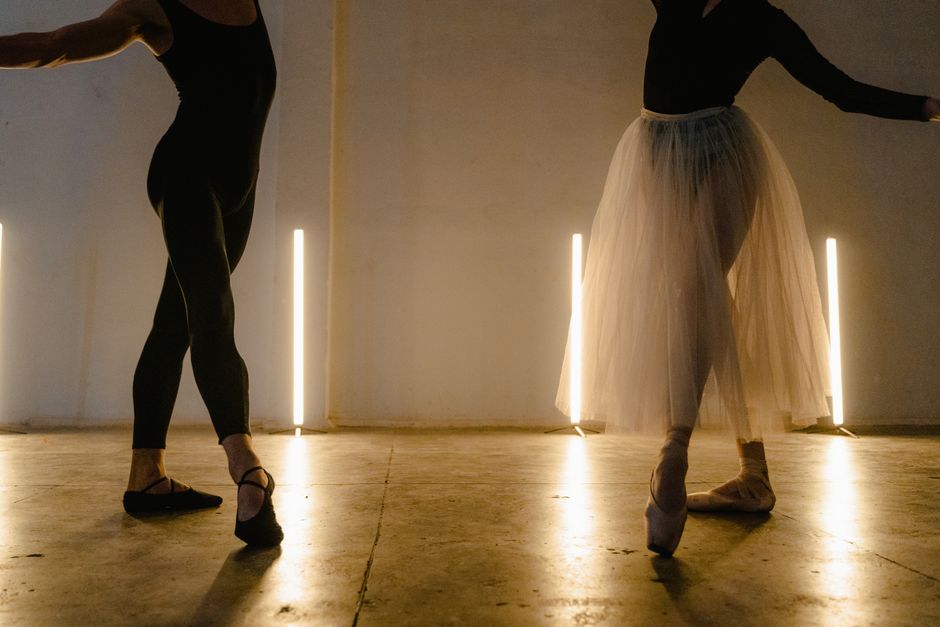
There is a shifting conversation taking place across India's dance communities about what it means for boys to participate in dance. For generations, a set of unwritten rules governed how young male dancers were perceived and placed. If a boy walked into a dance class, the expectation was clear: he would take the partnering role, embody a certain type of masculinity on stage, gravitate toward hip hop or other high-energy styles, and often carry the spotlight as the featured performer.
These assumptions have not gone unchallenged. A new wave of dancers, choreographers, and educators are asking a straightforward question — why should a boy's dance journey be so tightly scripted before he even steps onto the floor? The prevailing stereotypes suggest that boys who explore contemporary, classical, or expressive forms of dance are stepping outside accepted boundaries. Meanwhile, the pressure to perform the masculine lead role can leave many young men feeling trapped, unable to explore styles that genuinely interest them.
Dance academies and performance groups across Indian cities are beginning to reconsider their approaches. Some are deliberately restructuring auditions and casting decisions to remove gendered assumptions. Young dancers themselves are speaking out, sharing their experiences online and in interviews about the comfort they feel when allowed to choose their own path rather than being slotted into predefined categories.
The push for change is not about excluding any style or role but about expanding options. Boys who love Kathak, Bharatanatyam, or modern dance are finding more acceptance. At the same time, those drawn to partnering roles without having to perform hyper-masculine versions of them are discovering spaces where that choice is celebrated rather than questioned. Choreographers are increasingly writing roles that emphasize emotion, technique, and storytelling over rigid gender templates, reflecting a broader cultural shift toward inclusivity.
Educators note that the benefits extend beyond individual confidence. When young dancers are free from stereotypical expectations, classes become more collaborative, performances grow more diverse, and the art form itself becomes richer. The conversation is still developing, but the message is clear: dance belongs to everyone, and boys belong in every corner of it.