The Bharatiya Janata Party (BJP) found itself navigating a delicate political situation after a comment by state leader Amruta Fadnavis sparked debate over the exclusion of Muslims from Garba celebrations during Navratri, while the Vishva Hindu Parishad (VHP) doubled down on its stance that the devotional dance should remain restricted to Hindus only.
The controversy intensified when Maharashtra Cabinet Minister Nitesh Rane publicly backed the VHP's position, alleging that some individuals enter Garba events using Hindu names and then allegedly target Hindu women through what he described as "love jihad" – a term frequently used by right-wing groups to describe accusations of fraudulent romantic relationships designed to convert women.
Amruta Fadnavis, who is also the wife of former Maharashtra Chief Minister Devendra Fadnavis, drew criticism from within her own party's ranks for her remark suggesting a more inclusive approach to Garba participation. Her comments were interpreted by VHP leaders as a challenge to the organization's long-standing position that Navratri celebrations are religiously significant gatherings that should not be mixed with participants from other faiths.
The VHP has historically maintained that Garba, which involves singing devotional songs dedicated to Goddess Durga and performing circumambulatory dances around the deity's image, is an act of Hindu worship and therefore inappropriate for non-Hindus to participate in. The organization has, in previous years, called for strict enforcement of this principle at public Garba events across Maharashtra and other states with significant Hindu populations.
Political analysts note that the spat places the BJP in an awkward position. On one hand, the party relies heavily on its alliance with the VHP and other organizations in the Sangh Parivar family for its organizational base and vote bank in Maharashtra. On the other hand, the party's leadership has occasionally sought to project a more moderate image to appeal to urban, secular-leaning voters who may find exclusionary rhetoric off-putting.
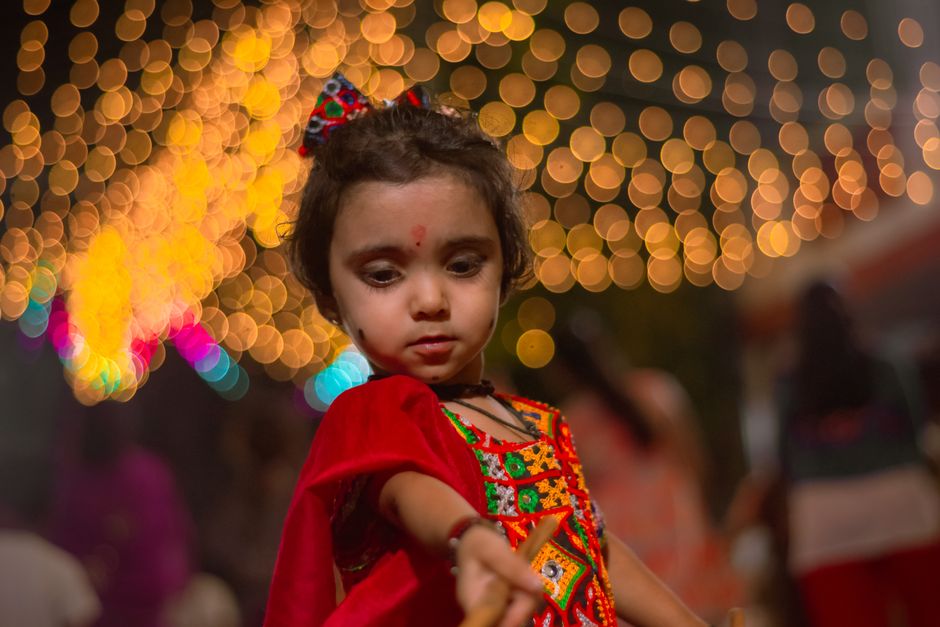
Navratri, the nine-night festival celebrating the triumph of goddess Durga, sees millions of Garba performances across Gujarat and Maharashtra. In recent years, debates over inclusivity versus religious exclusivity in these celebrations have surfaced periodically, often igniting broader discussions about communal harmony and the role of religious identity in public cultural spaces in India.