In a move that underscores the growing electoral significance of Nandigram in eastern India's political landscape, a Bharatiya Janata Party (BJP) candidate visited the revered Nandigram Temple to offer prayers ahead of upcoming state elections. The visit was part of a broader campaign strategy that has seen several candidates across party lines engage in religious observances as they prepare to contest in one of West Bengal's most politically charged constituencies.
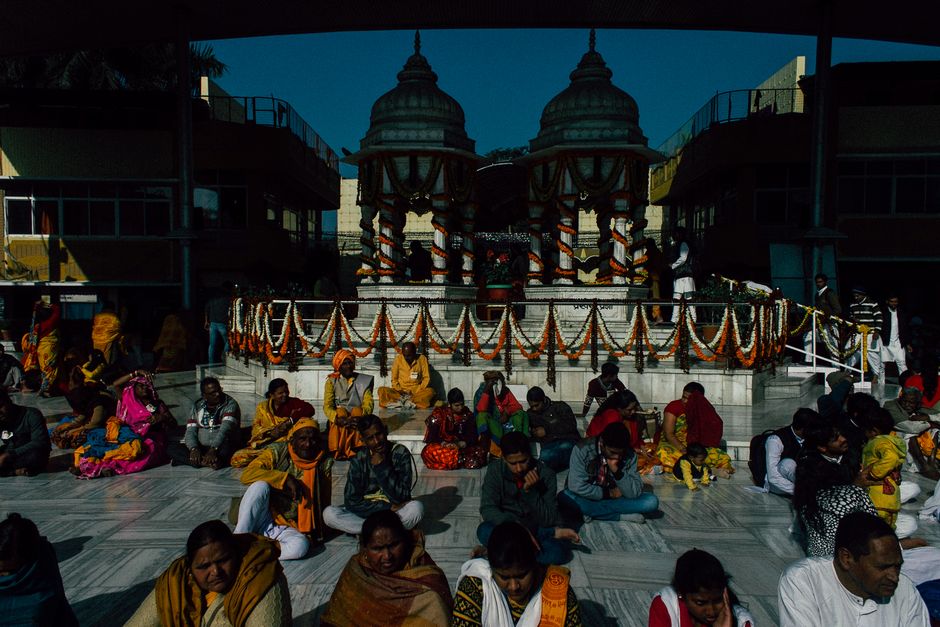
The Nandigram Temple, located in the Medinipur district of West Bengal, has become an important cultural and spiritual landmark not only for devotees but also for political aspirants seeking the blessings of local residents before entering the electoral fray. The candidate was accompanied by several party workers and local supporters who joined the ritual proceedings at the temple premises.
Nandigram has long been a focal point of political consciousness in West Bengal, having witnessed significant farmer protests and agrarian unrest over land acquisition proposals in the mid-2000s. The area became nationally known during the Singur–Nandigram agitation period, which reshaped rural political dynamics in the state and continues to influence voter sentiment today.
Political analysts note that the BJP's presence in the Nandigram constituency has been steadily strengthening in recent electoral cycles, with party leaders making multiple campaign visits and engaging with rural and agricultural communities. The temple visit is seen as a strategic effort to connect with traditional voters while projecting the party's cultural roots in the region.
Election officials confirm that campaigning activities are expected to intensify in the coming weeks across the Medinipur region. Both the ruling Trinamool Congress and opposition parties including the BJP are believed to be targeting Nandigram as a key battleground, given its demographic mix of agricultural workers, rural youth, and traditional voting communities.