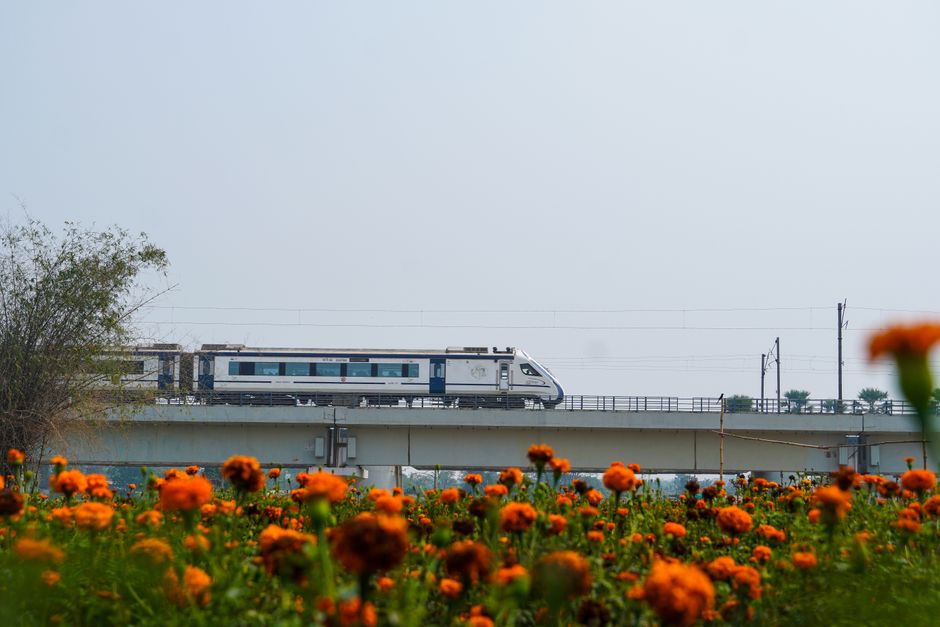
In a significant move aimed at bolstering India's rail infrastructure capabilities, Heavy Electricals Limited (BHEL) and Titagarh Rail Systems have announced the formation of a joint venture dedicated to the maintenance of Vande Bharat Sleeper trains over a 35-year horizon.
The partnership brings together BHEL's deep expertise in heavy engineering and power systems with Titagarh's specialized knowledge in railway rolling stock manufacturing and modernization. The joint venture will be responsible for comprehensive maintenance, overhaul, and lifecycle support of the Vande Bharat Sleeper fleet, which is being developed as part of Indian Railways' ambitious modernization drive.
The 35-year maintenance contract reflects the long-term nature of the commitment, ensuring that the sleeper train variants — designed to offer overnight travel with sleeper berths alongside semi-high-speed features — remain in optimal condition throughout their operational lifespan. This extended maintenance window is expected to reduce downtime, improve reliability, and lower the total cost of ownership for Indian Railways.
Industry analysts note that the collaboration marks a strategic shift toward public-private synergy in India's rail sector. BHEL, one of India's largest engineering conglomerates with decades of experience in power generation equipment and industrial plants, will contribute its manufacturing and technical maintenance capabilities. Titagarh, a private sector leader in wagons, coaches, and high-speed train sets, will bring its cutting-edge design and production expertise.
The Vande Bharat Sleeper train is envisioned as a game-changer for long-distance travel in India, combining the comfort of sleeper accommodation with the semi-high-speed technology that has made the existing Vande Bharat Express series a symbol of indigenous rail innovation.
Officials from both organizations have expressed confidence that the joint venture will set a new benchmark for preventive and predictive maintenance models in Indian railways, potentially serving as a template for future large-scale rail partnerships.