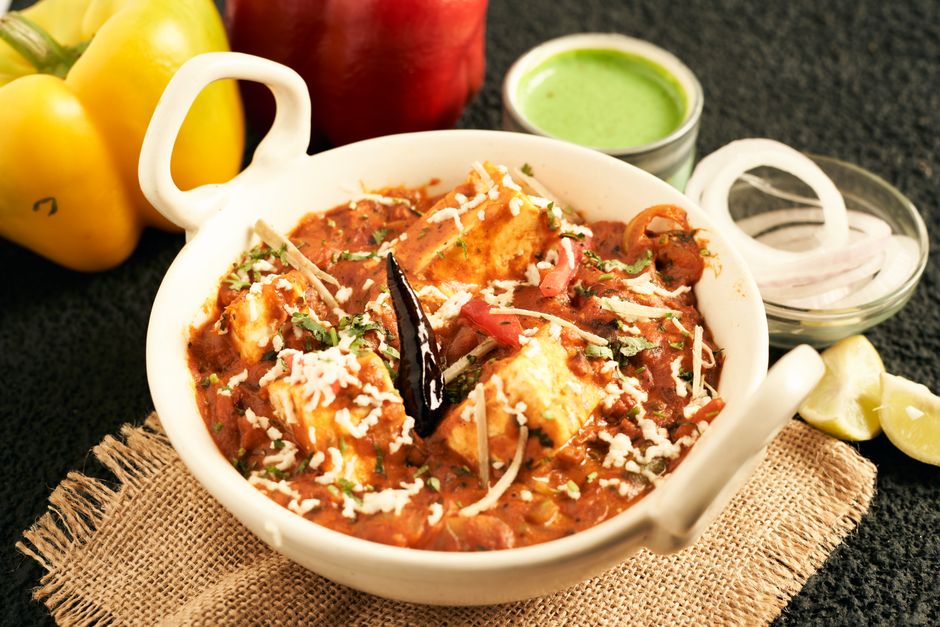
Paneer, India's beloved fresh cheese, has long been associated with rich, creamy gravies like palak paneer and kadhai paneer. But across the country, home cooks and chefs are pushing boundaries with inventive recipes that highlight regional spices, cooking techniques, and flavour profiles unlike anything found in a standard restaurant menu.
In Kerala, paneer is being transformed into coconut-forward curries inspired by traditional Malabar cooking, where tender cubes of paneer simmer in a paste of roasted coconut, Kashmiri chilies, and freshly ground spices. The result is a dish that is both aromatic and mildly spicy — a far cry from the heavy tomato-based gravies commonly served in North Indian restaurants.
Bengal is making waves with shorshe paneer, a preparation that uses a generous amount of mustard paste along with a tempering of panch phoron — a five-spice blend unique to the region. The sharp, pungent flavour of the mustard cuts through the mildness of the paneer, creating a dish that is bold and deeply satisfying.
In Punjab, home kitchens are experimenting with tandoori-style paneer tikka that goes beyond the classic marinade. Some cooks are adding smoked paprika, charred onion juice, and even a splash of chaang — a traditional fermented liquor — to give the dish a deeper, smokier character.
Assam is introducing paneer into its distinctive sour and spicy repertoire. The Assamese style, known as kua paneer, incorporates locally sourced ingredients like gota kolha (wild ginger), axone (fermented soybeans), and green chilies to create a flavour profile that is earthy, tangy, and completely unique.
Gujarat's contribution includes a sweet-and-spiced paneer preparation called muthia-paneer, where paneer rolls are spiced with gram flour, jaggery, and fennel, then steamed and pan-fried until golden. This snack-style dish reflects the state's signature balance of sweet and savoury flavours.
Rajasthan is embracing paneer in its rustic, desert-inspired style, with dishes like paneer baati combining crumbled paneer stuffing inside coarse wheat dumplings cooked over wood fire — a fusion that marries two iconic Rajasthani food traditions.
Home cooks across tier-2 and tier-3 cities are sharing these regional recipes on social media, driving a quiet culinary revolution that celebrates local identity through one of India's most accessible ingredients. Food bloggers say paneer's mild taste makes it the perfect canvas for regional experimentation, unlike other proteins that carry stronger inherent flavours.
The trend has also caught the attention of restaurant owners, with several new-age cafes in metropolitan cities adding these unconventional paneer dishes to their menus, catering to a generation of diners eager to move beyond the usual suspects.


