After 20 grueling days of standing firm without food or water, activist Manoj Jarange finally called off his fast, bringing an end to one of the most visible social justice movements in Maharashtra in recent memory. What transpired behind the scenes, however, tells a more complex story than any public statement could capture.
According to sources familiar with the matter, the decisive moment came during a dialogue that stretched nearly three and a half hours. Senior state government representatives engaged directly with Jarange, addressing his core demands around reservation quotas and constitutional protections for other backward classes. The conversations were not confined to a single meeting — they unfolded across multiple informal exchanges, with political intermediaries playing a pivotal role in bridging gaps between the activist's camp and official channels.
Jarange, 44, had begun his fast as part of a broader movement seeking implementation of the Samata Pact — a 2015 agreement between the Maharashtra government and leaders of the backward communities that promised expanded reservation benefits. Despite repeated assurances over the years, activists have long argued that the promises remain largely unfulfilled on the ground, prompting Jarange to resort to the extreme measure of a fast unto death.
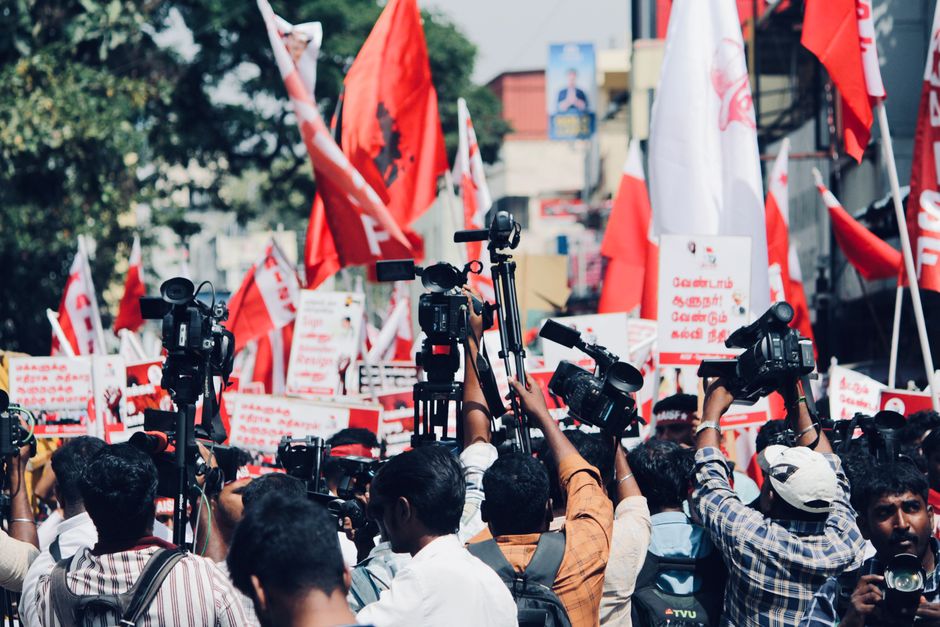
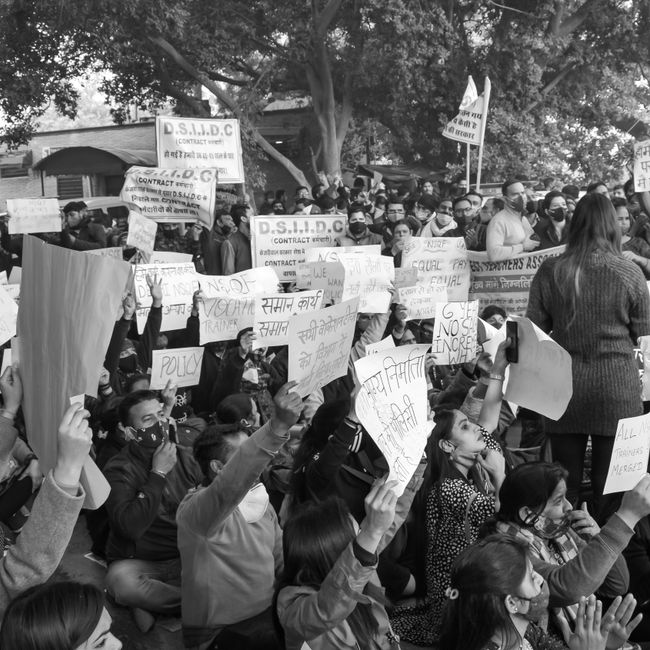
The fast drew nationwide attention, with supporters gathering in large numbers near the protest site and civil society groups voicing solidarity. Political parties across the spectrum weighed in, with some offering mediation support and others using the moment to critique the state's handling of social justice commitments.
By late in the process, according to insiders, a combination of personal appeals from Jarange's own supporters, behind-the-scenes political pressure, and what appeared to be tangible concessions on the reservation front persuaded him to step back. Government sources indicated that while a formal written commitment may still be pending, significant progress was made during the discussions that gave Jarange enough confidence to call off the fast.
Legal and human rights experts noted that while the resolution is welcome, the underlying demand for concrete action on reservation policy remains urgent and unresolved at a structural level.