Anyone preparing for a move has likely heard the advice to start decluttering early, but the guidance has never been more relevant. With urban real estate shrinking, moving companies charging premium rates per cubic foot, and logistical complexity climbing in India's fast-migrating workforce, professional organizers and relocation experts are repeating a familiar mantra: if you wouldn't use it at home today, you almost certainly do not need to carry it into your new one.
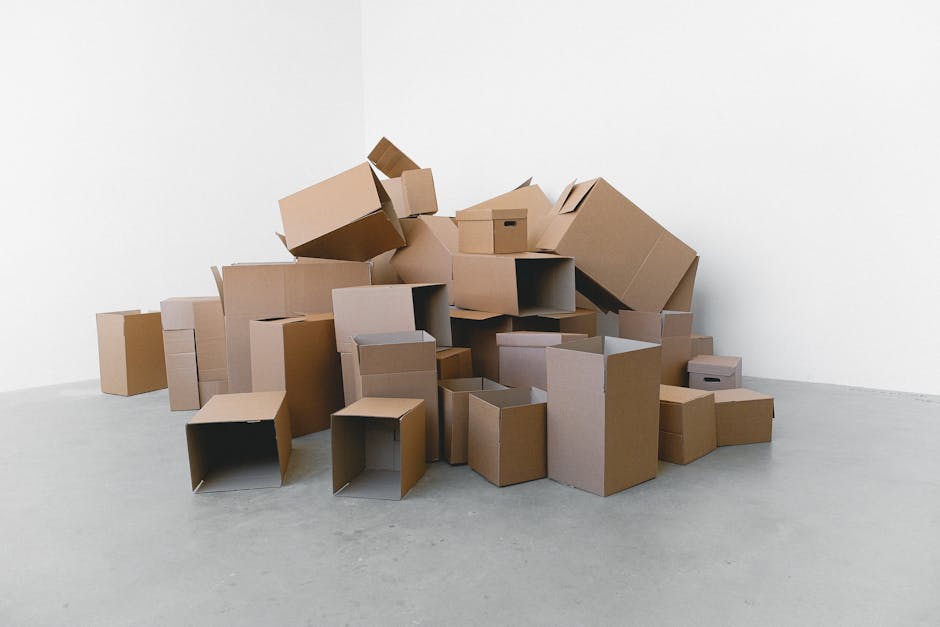
The rule of thumb that circulates most widely among movers is stark in its simplicity. Every box you pack requires sorting, taping, carrying down stairs or waiting in an elevator, loading onto a truck, unloading at the destination, unpacking, and eventually shelving. Each step costs time, energy, and often real money. Items dragged across the country solely because they are difficult to part with end up occupying valuable space in a smaller new apartment, contributing to the same clutter that made the original home feel chaotic.
Moving experts point to several categories that consistently show up in every home and every move, yet deserve serious scrutiny before a single suitcase is zipped.
Old electronics and cables top the list. That second laptop charger, theDVD player gathering dust, the tangle of HDMI and USB wires salvaged years ago with no idea which device they belong to — none of it usually makes the journey worthwhile. E-waste recycling centers across Indian cities now accept these items for responsible disposal, and many municipal corporations run periodic bulk-collection drives for exactly this kind of electronic waste.
Expired medicines and half-used cosmetics are another frequent burden. People tend to stash travel-sized bottles, leftover prescriptions from previous conditions, and makeup kits collected over years without realizing they hold expired products inside. Health authorities repeatedly warn against using beyond-date medications, yet they travel in almost every moving van simply because someone assumes they might need them someday.
Clothing deserves honest evaluation too. Winter coats in Mumbai wardrobes, formalwear never worn since a job change five years ago, shoes that no longer fit — all of it adds weight and volume. Fashion consultants often recommend the one-year rule: if you have not worn an item in twelve months, the likelihood of wearing it in a new city is low.
Kitchen gadgets form a surprisingly large category of unnecessary baggage. Those countertop appliances bought once and used once — ice-cream makers, waffle irons, single-serving blenders — sit in corners demanding space. Most kitchens function perfectly well with a pan, a pot, and a basic blender.
Paperwork and documents often surprise people with their volume. Receipts, tax filings from previous years, manual booklets for devices long discarded, printed email confirmations, and old bills pile up across drawers and shelves. Digital scanning and secure shredding make short work of decades of paper accumulation, freeing up entire cabinets in the process.
Children's belongings represent an emotional challenge. Toys that no longer fit developmental stages, school projects saved as keepsakes, and clothes from past sizes can become enormous boxes of sentimental weight. Photographers and archivists suggest digitizing the memories instead — a single photo archive holds what hundreds of physical objects cannot.
Furniture that does not measure up to the new space is another common mistake. A bulky sofa that filled a living room easily may overwhelm a smaller flat. Before purchasing moving insurance for a three-piece suite, experts advise bringing floor plans and measuring tape to the new home to ensure proportionality.
The underlying philosophy is pragmatic rather than purist. Decluttering before a move is not about minimalism as an aesthetic choice; it is about recognizing that relocation is the most natural catalyst households have for resetting what they actually need. Boxes that stay behind translate directly into lower transportation bills, fewer damaged items, simpler unpacking, and a new home that feels spacious from day one rather than cramped until the eleventh weekend of settling in.