A British Columbia Supreme Court justice has awarded $275,000 in damages to Bing Chen Gao, a journalist and broadcaster based in Surrey, following a lengthy defamation case stemming from one of the most intrusive and prolonged protests in recent Canadian local history.
The ruling, delivered this week, found that Yun Fei Zhu had published multiple false and defamatory statements about Mr. Gao over social media and online platforms. The court accepted evidence that the remarks damaged his reputation in the community and within the journalism profession.
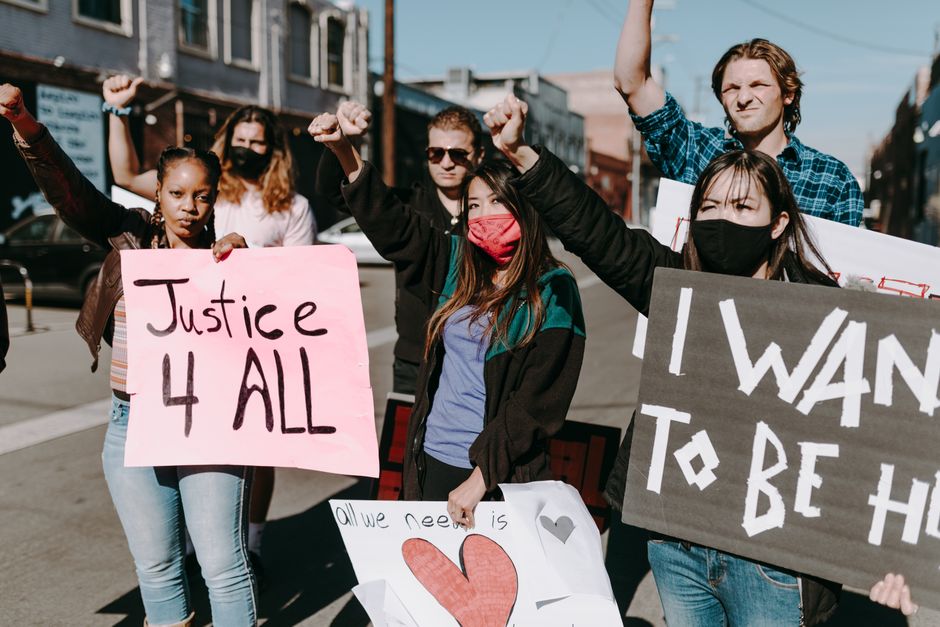
The case traces back to the summer of 2020, when supporters of Chinese businessman Guo Wengui — a disgraced former state media figure who lives in exile and runs an anti-communist campaign from abroad — converged on Mr. Gao's residential street in Surrey for 77 consecutive days. Protesters set up signs, waved banners, and shouted slogans outside the journalist's home in what he later described to investigators as a campaign of intimidation resembling a cult-like operation.
Mr. Gao, who works in broadcast and digital media, told the court that the daily harassment disrupted his family's life, affected his mental health, and created a persistent sense of insecurity in his own neighbourhood. neighbours reported seeing large groups gathering each morning with megaphones and flags, often well before dawn.
Investigators and lawyers for Mr. Gao argued that Ms. Zhu played a central role in coordinating the online smear campaign against him, posting detailed allegations that had no factual basis and linking him to various conspiracy theories circulating among Guo Wengui's supporter network. Ms. Zhu denied the claims and disputed the damages sought.
The $275,000 award covers general damages for hurt feelings and reputational harm, as well as aggravated damages reflecting the sustained and targeted nature of the harassment. Legal experts say the figure signals a strong judicial stance against the weaponization of online platforms to retaliate against journalists in Canada's multicultural communities.
Guo Wengui remains a polarizing figure in Chinese diaspora politics. His followers have been involved in high-visibility protests at restaurants, community events, and private residences across North America, often targeting individuals they accuse of supporting the Chinese government. Critics describe the tactics as vigilante-style intimidation; supporters view them as legitimate political dissent.
The verdict underscores the legal risks facing those who participate in coordinated online defamation campaigns, even as debates continue about the boundaries of protest rights and free expression in densely settled urban areas like Surrey.


