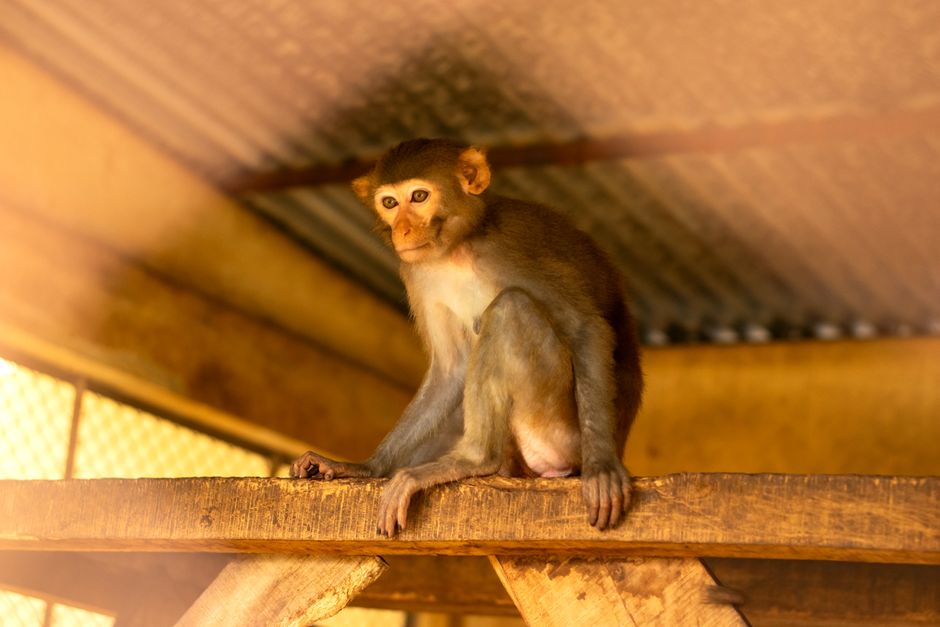
A baby orangutan recently admitted to a zoo in the Indian state of Odisha has been reported unwell shortly after arrival, sparking worries among veterinary staff and wildlife conservationists across the region.
Sources familiar with the matter said the infant primate showed signs of distress within its first few days at the facility. The young animal appeared lethargic, displayed reduced appetite, and exhibited behaviors that staff described as inconsistent with normal developmental activity expected in juvenile orangutans.
Zoo authorities confirmed they have placed the orangutan under close observation and have arranged for regular medical checkups by their in-house veterinary team. A referral to senior primatologists specializing in great ape health is reportedly being considered if the condition does not improve in the coming days.
The exact cause of the illness remains unclear. Officials have not yet released details about whether the orangutan was rescued from the wild, handed over by law enforcement agencies during anti-poaching operations, or transferred from another facility. What is known is that the young animal arrived in fragile condition, and its current health status has raised alarm among those tasked with its care.
Wildlife experts emphasized that infant orangutans are particularly vulnerable to stress, especially when removed from their natural habitat or separated from maternal figures. The species, native to the rainforests of Borneo and Sumatra, faces ongoing threats from deforestation, illegal wildlife trade, and habitat fragmentation. Captive care of young orangutans requires specialized knowledge of their dietary, social, and environmental needs — conditions that cannot always be immediately replicated in zoo environments.
The Odisha zoo in question has faced scrutiny in recent years over animal welfare standards, with periodic reports from the National Board for Wildlife and state inspection teams flagging areas needing improvement. Conservation groups have called for transparency regarding the orangutan’s intake process, medical records, and long-term care plan.
The Animal Welfare Board of India and the Wildlife Crime Control Bureau are expected to be briefed on the case. Authorities have urged the public and media to refrain from speculation while the veterinary team completes its assessment.
As of now, the baby orangutan remains under observation at the facility, with daily health monitoring underway. Details regarding its origin and prognosis are expected to be shared once the treating veterinarians complete their evaluation.


