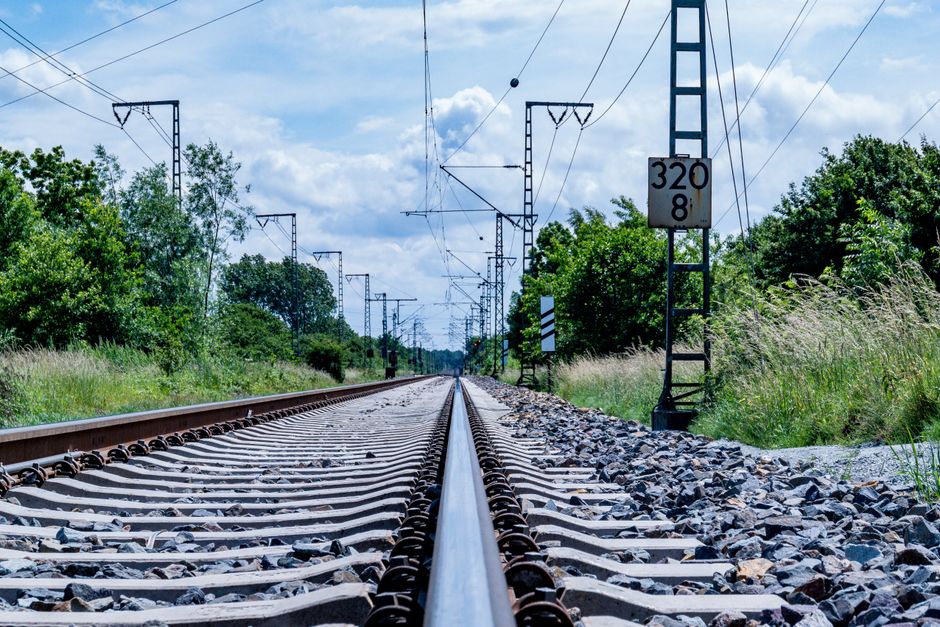
Assam's railway infrastructure has crossed a historic threshold — the entire state's rail network is now fully electrified. Indian Railways confirmed that all remaining un-electrified stretches across the Northeast Frontier Railway (NFR) zone, which oversees rail operations in Assam and several other northeastern states, have been completed. The final leg of work included sections in eastern and central Assam, tying together routes that were among the last holdouts in the region.
Electrification was undertaken section by section over several years, with the bulk of the conversion happening between 2019 and 2025. Engineers laid new overhead electric equipment, upgraded substations, and rewired signaling systems along tracks that cut through dense forests, river valleys, and hilly terrain — some of the most challenging landscapes in the country for rail construction.
For passengers, the shift away from diesel locomotives means several tangible improvements. Electric trains can accelerate faster, reducing journey times on popular routes such as the Guwahati–Dibrugarh corridor and the link connecting Assam to the rest of India via New Jalpaiguri in West Bengal. Air-conditioned coaches, lighting, and fans now run on cleaner power rather than generating electricity onboard through diesel generators. Trains are also less prone to delays caused by engine maintenance issues common to older diesel units.
Railway officials stated that the electrification will cut fuel expenses significantly. Diesel procurement and logistics were expensive in a landlocked state where fuel had to be transported over long distances. Electric traction draws from the national grid, and with more renewable energy feeding into it, the carbon footprint of rail travel in Assam drops substantially.
The achievement aligns with the Indian government's target of making all mainstream railway routes electric by 2025–26, a goal that has been pushed aggressively under recent railway budget allocations. Assam's complete conversion places it alongside earlier adopters like Punjab and Gujarat in terms of electrification coverage, though on a smaller route network.
Local representatives and commuter groups welcomed the news, noting that better rail connectivity has long been a demand for economic development in the Northeast. Cargo movement, tourist traffic, and daily commuter travel are all expected to benefit from the new electric fleet. Railway authorities said scheduling adjustments and additional electric train runs would be announced in the coming months.


