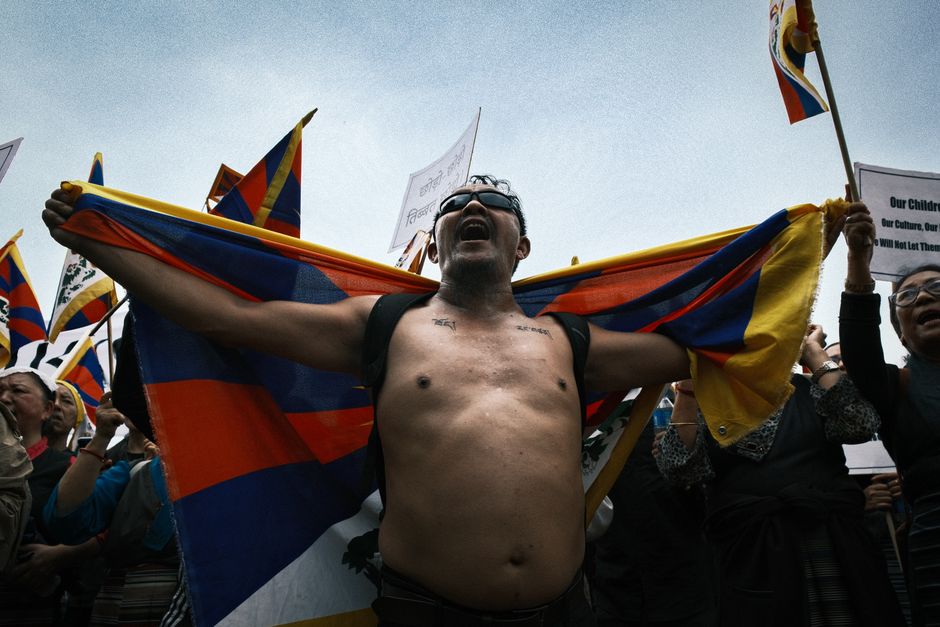
Arunachal Pradesh's long-standing 80:20 recruitment policy is once again under fire as student bodies and tribal organizations across the hill states have organized protests and legal challenges demanding that the entire spectrum of government employment be reserved exclusively for Arunachal Pradesh Scheduled Tribe (APST) candidates.
Under the current policy, which has been in effect since the state's reorganization, 80% of government jobs are reserved for APST candidates while the remaining 20% are open to candidates from other communities, including Plains Scheduled Castes and Scheduled Tribes (PSCST) as well as general category applicants. The 20% quota was originally introduced to ensure representation of non-tribal populations in the state's administration.
However, several student unions, including the Arunachal Pradesh Students' Association and various tribal youth groups, have argued that the 20% open quota dilutes the protective intent of the reservation framework and undermines efforts to empower historically marginalized tribal communities in the northeastern state.
Legal experts note that any challenge to the 80:20 policy will likely test the boundaries of the constitutional protections afforded to scheduled tribes in northeast India. The sixth schedule and various state-specific notifications form the legal backbone of the current reservation structure, but advocates for full reservation argue these provisions support broader exclusivity for genuine tribal residents.
Tribal leaders at the forefront of the movement have emphasized that decades of demographic change and in-migration have placed additional pressure on limited government employment opportunities. They argue that reserving the full quota for APST candidates would safeguard the economic interests of indigenous communities and prevent further marginalization.
The state government has yet to issue an official response to the renewed agitation, though sources indicate that senior ministers are monitoring the situation closely ahead of potential court filings. Political parties in the state remain divided on the issue, with some supporting the demand for full reservation while cautioning against alienating non-tribal constituents.
Similar debates over reservation quotas have played out in other northeastern states, including Manipur and Meghalaya, where indigenous groups have periodically demanded stricter enforcement of ethnic-based employment preferences.