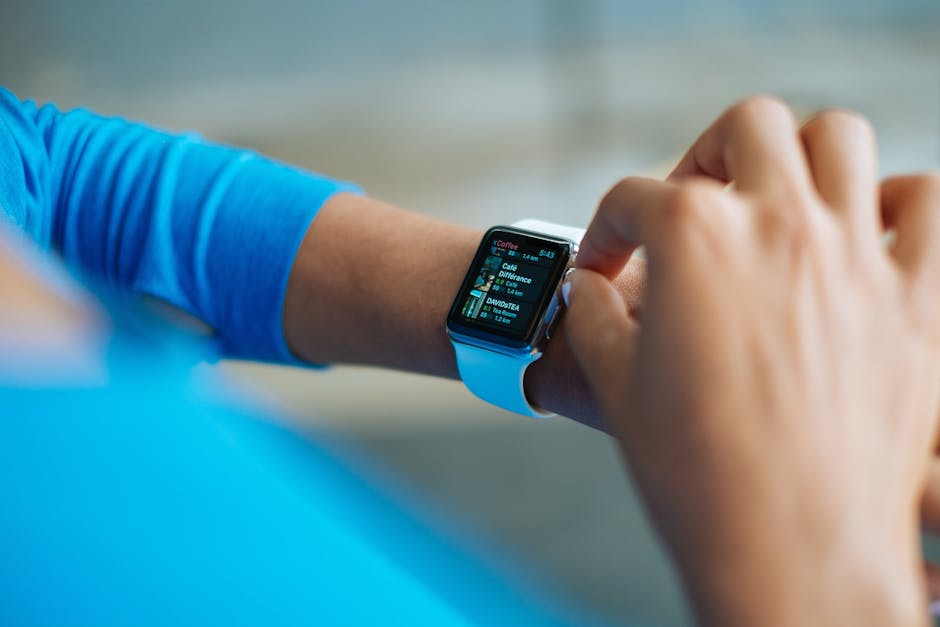
The competition at the top end of the smartwatch market has never been fiercer. Apple's latest entry, the Apple Watch Ultra 4, arrives just as Samsung launches its Galaxy Watch Ultra 2, and both companies are going all-out to attract serious fitness enthusiasts, outdoor adventurers, and tech-savvy consumers who want more than a basic fitness tracker on their wrist.
**Display Technology Takes Center Stage**
Both watches feature large, always-on displays designed for readability in any condition. The Apple Watch Ultra 4 sports a new LTPO OLED panel that Apple claims is significantly brighter than its predecessor, reaching peak outdoor brightness levels that make it visible even under direct sunlight. Samsung counters with a Super AMOLED display on the Galaxy Watch Ultra 2, also optimized for extreme outdoor visibility and featuring an anti-reflective coating that reduces glare in bright environments.
The Apple panel measures approximately 49 millimeters diagonally, while Samsung's offering matches that general size class. Both watches use sapphire crystal glass over their displays, ensuring scratch resistance that stands well above standard smartwatch screen protectors. Early benchmarks suggest the Samsung display edges slightly ahead in color accuracy, while Apple maintains an advantage in peak brightness output.
**Durability and Build Quality**
Rugged construction is the hallmark of both devices. Apple has once again used Grade 5 titanium for the case, maintaining the same aerospace-grade material that has become synonymous with the Ultra line. The watch is rated for water resistance up to 100 meters and can withstand pressures encountered during recreational scuba diving.
Samsung mirrors this approach with its own titanium frame on the Galaxy Watch Ultra 2, paired with MIL-STD-810H certification for military-grade durability. This means the watch has undergone testing for shock resistance, temperature extremes, vibration, and humidity. Both companies emphasize that these watches are built for extremes, whether you're scrambling up a mountain trail or surfing coastal waves.
The digital crown on the Apple side includes a new Action button that users can customize for quick access to frequently used functions, while Samsung offers a similar customizable bezel interaction system on the Galaxy Watch.
**Health and Fitness Tracking**
On the health front, both watches have expanded their sensor arrays. Apple's Ultra 4 includes advanced heart rate monitoring with irregular rhythm notifications, blood oxygen sensing, and ECG capabilities. Samsung adds similar cardiac monitoring tools alongside sleep tracking enhancements and stress management features powered by updated biometric algorithms.
Both watches support GPS navigation with multi-band positioning for improved accuracy during outdoor activities like hiking and trail running. Apple introduces what it calls enhanced altitude tracking using barometric data, while Samsung promotes its updated Route Workout feature that maps your journey with turn-by-turn guidance displayed directly on the watch face.
**Software Ecosystems Diverge**
Where these watches truly separate is in their software ecosystems. The Apple Watch Ultra 4 runs watchOS 11, offering deeper integration with Apple's broader suite of services including Health, Find My, and seamless handoff to iPhones. Samsung's Galaxy Wearable platform on the Ultra 2 pairs best with Android devices, particularly Samsung phones, but offers broader compatibility across different Android manufacturers.
Battery life remains a competitive battleground. Apple has improved its power efficiency with a new low-power mode that can extend runtime to nearly four days in essential modes, though full daily use typically yields around two days. Samsung claims the Ultra 2 delivers roughly two to three days depending on usage patterns, with a new power-saving feature that keeps basic functionality running for up to five days.
**Pricing and Availability**
Pricing positions both watches firmly in the premium segment. The Apple Watch Ultra 4 starts at approximately $799 USD for the cellular model, while the Galaxy Watch Ultra 2 begins around $649 USD. Both companies offer various band options ranging from sport loops to luxury metal bracelets that can push total costs higher.
Consumers choosing between the two will ultimately decide based on their smartphone ecosystem, preferred design language, and which health or fitness features matter most to their daily routines.