Bollywood actor Ananya Panday recently turned heads at a public appearance in a stunning mango-coloured bandhani sari, bringing attention once again to one of India's oldest and most cherished textile traditions. The outfit, described as gharchola-inspired, featured the characteristic dotted patterns that have defined this resist-dyeing technique for thousands of years.
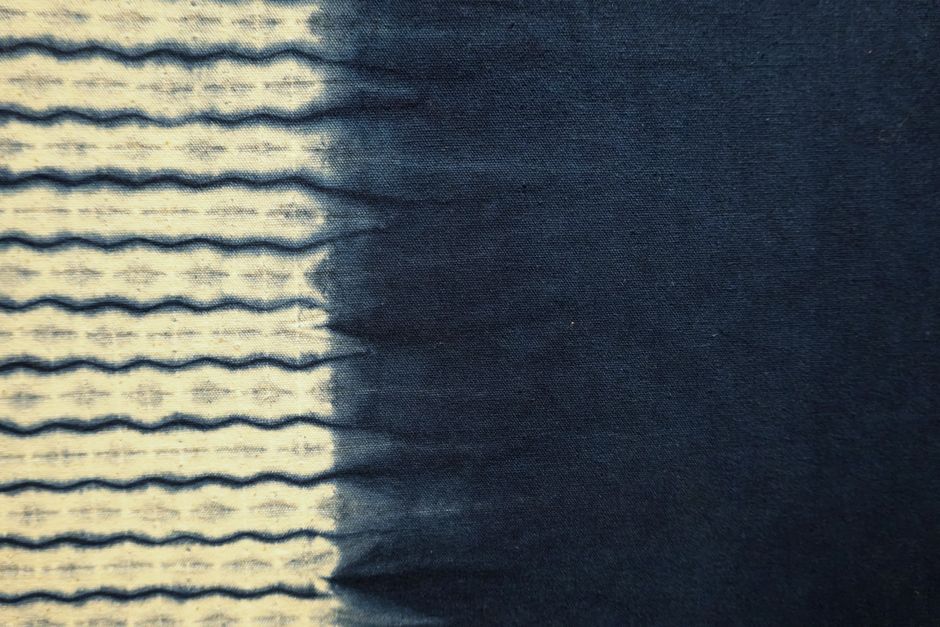
Bandhani, which translates to "to tie" in Sanskrit, is a tie-dye art form practiced across western and central India for over five millennia. Artisans from Rajasthan, Gujarat, and parts of Maharashtra continue to create these intricate patterns by tying tiny knots in fabric before dyeing them, producing the signature bindu or dotted designs that make each piece unique.
The gharchola style traditionally features geometric lattice patterns and was historically worn by brides and married women during ceremonies in Gujarat and Rajasthan. Panday's interpretation blends this heritage aesthetic with modern sensibilities, wearing the vibrant mango-yellow palette that has become associated with celebration and joy in Indian culture.
Fashion observers noted that the choice signals a growing trend among younger celebrities and influencers to embrace indigenous crafts rather than relying solely on imported or contemporary designs for high-profile events. The visibility such placements receive can significantly impact demand for handcrafted textiles and the artisans who produce them.
Textile experts have long advocated for the preservation of bandhani techniques, which are often passed down through generations within families. The craft requires patience and precision, with a single sari sometimes taking weeks to complete depending on the complexity of the pattern.
Panday's appearance has already generated considerable discussion on social media, with many praising the revival of traditional Indian wear in Bollywood circles. Stylists and designers have used the moment to highlight the broader ecosystem of craftsmen behind these garments, from the dyers in Kutch to the weavers of Saurashtra.