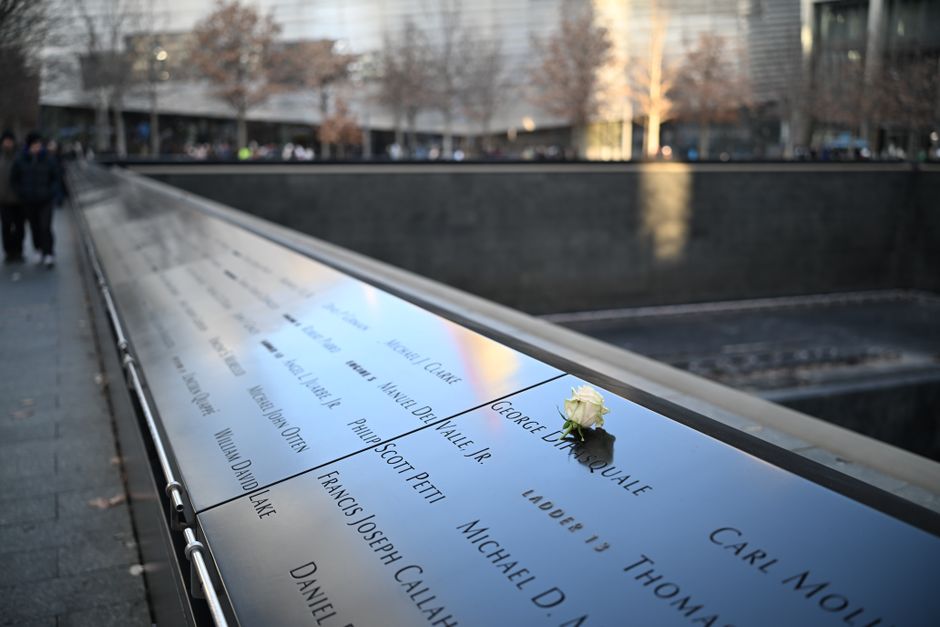
The United States observed the 25th anniversary of the September 11 terrorist attacks on Tuesday with solemn memorial ceremonies across the country, paying tribute to the nearly 3,000 people who lost their lives and the first responders who risked everything to save others.
The deadliest terrorist attack in world history occurred when 19 al-Qaeda hijackers seized four commercial flights. Two planes were deliberately crashed into the twin towers of the World Trade Center in New York City, causing both buildings to collapse. A third plane struck the Pentagon in Arlington, Virginia, outside Washington DC. A fourth plane, United Flight 93, crashed in a field near Shanksville, Pennsylvania, after passengers fought back against the hijackers.
Memorial services were held at three primary sites: the World Trade Center site in lower Manhattan, the Pentagon, and the Pennsylvania crash site. At the New York memorial, families of victims gathered around the twin reflecting pools that now occupy the footprints of the original towers. Names of the deceased are inscribed on bronze panels surrounding the pools.
President addressed the gathering alongside victims' families, elected officials, and military representatives. The ceremony included readings of victims' names, musical performances, and moments of silence. The tradition of reading the names aloud began in 2002 and has continued annually.
The attacks also reshaped American security policies dramatically. The Pentagon and Congress quickly passed new legislation creating the Department of Homeland Security and authorizing military operations in Afghanistan. Changes affected airport security, intelligence gathering, and surveillance practices nationwide.
Nearly 700,000 people worked at the World Trade Center on September 11, 2001. The destruction of the 110-story towers killed thousands of office workers, emergency personnel, and visitors. Rescue workers, including firefighters and police officers, entered the burning buildings knowing the extreme danger, with hundreds losing their lives themselves.
Medical and scientific research into illnesses affecting survivors and responders continues decades later, with thousands still experiencing health complications from toxic dust exposure at the collapse site.


