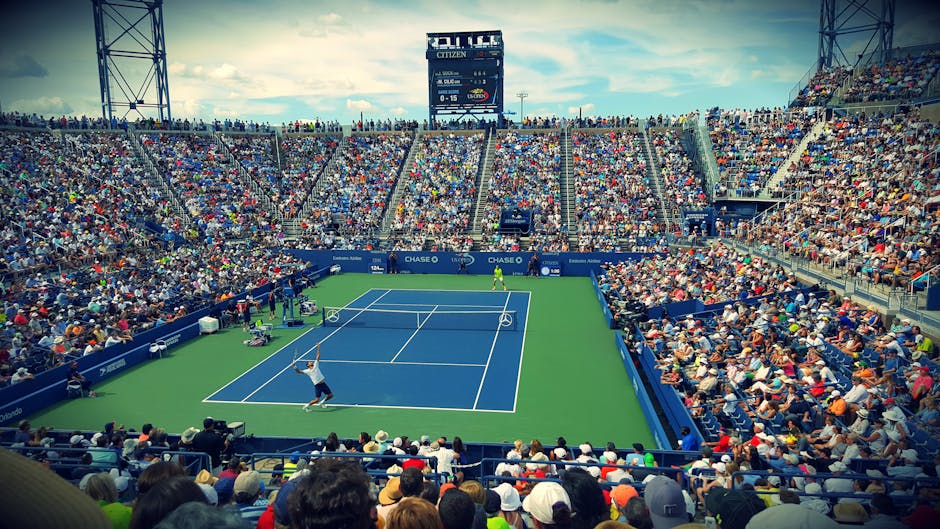
The Arthur Ashe Stadium lights burned long into the early hours of Tuesday morning as Carlos Alcaraz finally dropped his racquet after completing a monumental five-set victory over American rising star Jackson Shelton — one that not only advanced him deeper into the US Open but also rewrote the record books and threw a wrench into an ongoing debate about the future of Grand Slam scheduling.
The match, widely described by players and analysts alike as an absolute war of attrition, stretched well beyond six hours of elapsed time, surpassing the previous longest match in US Open history — a mark that had stood since 1881. Players from both eras now share the same tournament record book, but neither could possibly have anticipated the physical toll that the modern game would demand.
Alcaraz, already carrying the weight of being one of the sport's brightest young superstars, showed visible signs of exhaustion even in celebration. Shelton, the hometown favorite, fought valiantly throughout but eventually succumbed to the sheer mileage of a contest that tested every physical and mental reserve. Both men spoke generously about each other afterward, but the underlying question remained: when does endurance cross from heroic into hazardous?
The debate over scheduling has been simmering across professional tennis for years. Critics point out that the current system — with its combination of late-night finishes, packed daily schedules, and limited recovery windows between matches during the later rounds — places athletes in an increasingly untenable position. Grand slams run for two weeks, but the cumulative strain of back-to-back matches played under the brightest stadium lights, sometimes until nearly 2 AM local time, raises serious concerns about player welfare and competitive integrity.
The ATP has acknowledged the issue and floated various proposals over the past few seasons, including earlier start times for evening sessions, more generous rest periods, and even the introduction of scheduled "rest days" within Grand Slams — a concept that has drawn fierce resistance from tournament organizers who view the tradition of non-stop competition as sacrosanct. The WTA has faced similar questions, with several top players publicly calling for change.
What makes this latest episode particularly charged is the sheer novelty of it. For 145 years, the record stood unchallenged. Now, with a single match having broken it, there is a palpable sense that the tennis world has reached an inflection point. The question is no longer whether the schedule needs reform, but how fast reform can realistically happen given the commercial and traditional headwinds.
Alcaraz himself dodged the broader policy question in his post-match presser, focusing instead on his next opponent and expressing hope that his body would recover in time. But the image of him barely able to stand during the award ceremony spoke volumes. Shelton, too, credited the Spanish star's greatness while subtly underscoring the physical cost borne by both competitors.
For fans, the match was likely unforgettable — a gripping, momentum-swerving thriller that showcased the sport at its most dramatic. For administrators, it is a stark reminder that some records should perhaps remain buried.