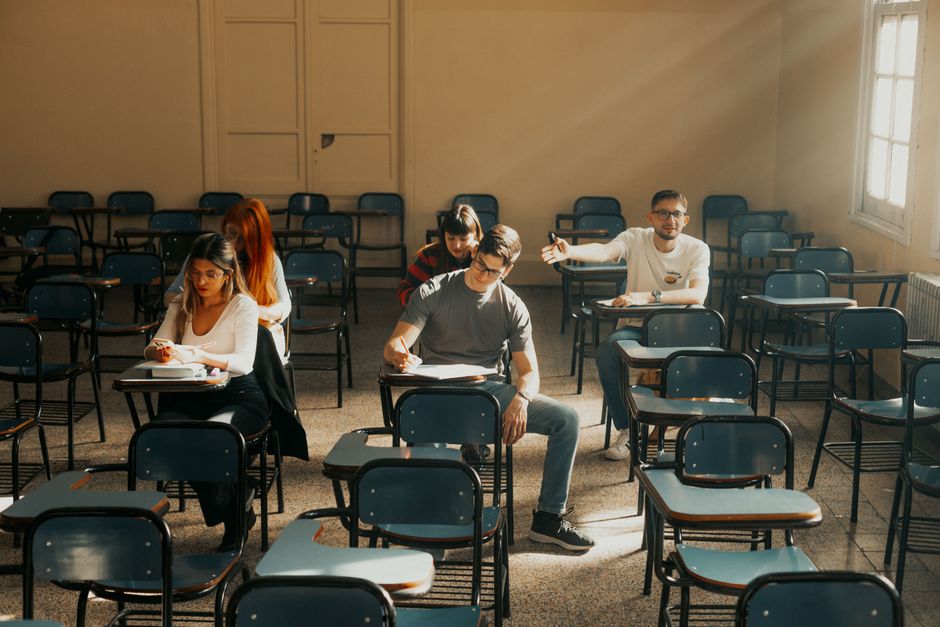
The Akhil Bharatiya Vidyarthi Parishad (ABVP), India's largest student organization, has put forward a comprehensive set of recommendations to a government Task Force on reforming the country's competitive examination system. The proposals include conducting major entrance examinations in two phases and holding the National Eligibility cum Entrance Test (NEET) twice a year, aiming to ease the intense pressure faced by millions of students who appear for these high-stakes tests annually.
The suggestions were submitted during consultations with the central government's newly constituted Task Force, which has been asked to examine the challenges associated with India's competitive exam landscape and recommend structural reforms. The ABVP's proposal for splitting major exams into two phases would allow students to appear for both attempts within the same admission cycle, effectively doubling their chances of securing a seat without having to wait an entire year.
Under the current system, NEET is conducted once a year, making it a single-shot affair for over two million aspirants seeking medical seats across the country. The psychological and financial toll on students who fail or perform below expectations in that single attempt is considerable, often forcing them into expensive drop-year programs or private college routes. The ABVP argues that allowing two attempts annually would spread the competition and give students a fairer opportunity.
Education analysts have noted that the push aligns with broader discussions already underway within the education ministry about reducing examination-related stress and suicides among students. Several states have previously called for changes to the NEET framework, though any nationwide reform would require coordination with the National Testing Agency and the Supreme Court, which has been closely monitoring the exam process.
The ABVP emphasized that its recommendations are meant to be implementation-friendly and designed to maintain the standard and integrity of the selection process while making it more humane and accessible.