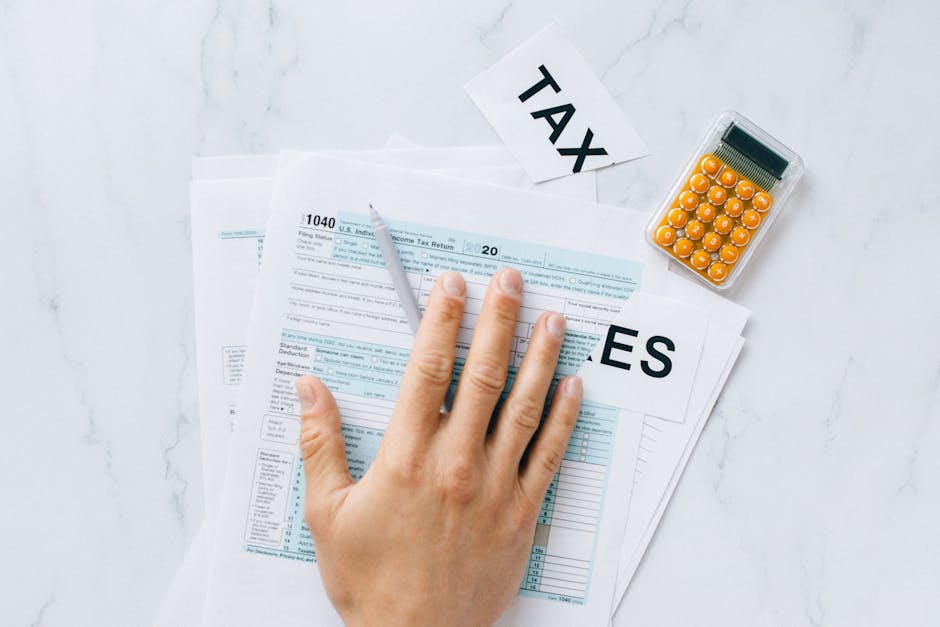
An 83-year-old woman has emerged victorious in a long-pending income tax dispute, overcoming a demand that had lingered for nearly nine years. The case came to light after the Income Tax Assessing Officer completed proceedings under Section 144 of the Income Tax Act — commonly known as a best judgment assessment — and treated her bank deposits and cash holdings as undisclosed income.
The woman held a fixed deposit of Rs 2.4 lakh and had cash amounting to Rs 1.06 lakh. Despite notices issued by the tax department, she did not respond for reasons not yet established. Citing her silence, the Assessing Officer proceeded under Section 144, which empowers the officer to make an assessment to the best of his or her judgment when a taxpayer fails to comply with legal notices. The officer determined her total income at Rs 5.15 lakh and attributed the discrepancy between her declared income and the assets held as unexplained source of income.
However, the decision faced scrutiny when the matter reached the appellate tribunal. Legal experts noted that while Section 144 allows for ex parte proceedings, it does not permit the tax authority to treat an asset or a deposit as unexplained solely on the basis of the assessee's failure to reply. The tribunal observed that the department was obligated to verify the nature and source of the funds independently rather than drawing adverse inferences from non-cooperation alone.
The ruling carries significant implications for elderly taxpayers and first-time assesses who may overlook statutory communications due to health issues, lack of awareness, or simple oversight. Authorities stressed that the burden of proving the source of income always rests on the revenue department, and best judgment assessments must still be founded on material evidence rather than assumptions.
Senior citizens, in particular, have increasingly sought relief from such demands, with several similar cases coming up before tribunals across the country in recent years. The Income Tax Department has also been urged to adopt a more empathetic approach when dealing with aged taxpayers, especially in cases involving modest financial transactions.


